Nevada
Personal Injury Lawyers$10 MM+
Recovered for Clients
1000 +
Injured Clients
3.5 ×
Higher Compensation*

No Recovery.
No Fee.



When an accident leads to serious injury, the period that follows can be difficult to navigate. Medical care, time away from work, and uncertainty about available options tend to converge. Nevada law gives people who have been injured through another party’s negligence the right to pursue compensation for the harm they have suffered. Understanding how that process works, and what the law actually provides, is often the first step in making informed decisions about what comes next.
Primary Practice Areas
Nevada Personal Injury Law

Car Accident
In the aftermath of a car crash, you need a personal injury attorney who understands the intricacies of Nevada traffic laws. Our experienced team at Vaksman Khalfin, PC, has years of experience representing clients in automobile accident cases. We will ensure you have the opportunity to pursue financial compensation for your medical expenses, property damage, and emotional distress.

Brain Injury
Traumatic brain injuries often cause accident victims to experience emotional distress and financial insecurity. Our skilled Nevada personal injury lawyers specialize in brain injury cases and provide compassionate support and aggressive representation to numerous clients. You have a legal right to seek monetary compensation for losses such as the pain and suffering you endured and the medical bills you accrued due to your injuries.

Wrongful Death
The loss of a loved one is an unimaginable tragedy. Our legal team is here to support you while pursuing a wrongful death claim. We will determine which parties may face liability for the death and ensure that you have the opportunity to seek financial compensation for your injuries.

Slip and Falls
If you have suffered injuries due to a slip and fall accident, our attorneys are ready to assess your case. We will diligently investigate the circumstances surrounding your accident by identifying liable parties and fighting for the compensation you deserve. We understand how diverse slip and fall cases may be, and we will discuss the facts of your case with you and any witnesses.

Defective Products
Products liability cases typically concern design defects and manufacturing defects. Speaking with a knowledgeable personal injury attorney will enable you to determine which causes of action may apply to your case. Also, the “reasonable use” of the product is also relevant to any legal analysis regarding products liability claims.

Motorcycle Accidents
Motorcycle accidents often result in severe injuries. Our legal team is well-equipped to handle the complexities of motorcycle accident cases. It often takes weeks or months for an accident victim to recover from a motorcycle accident. We can help litigate your case well before the statute of limitations period expires.
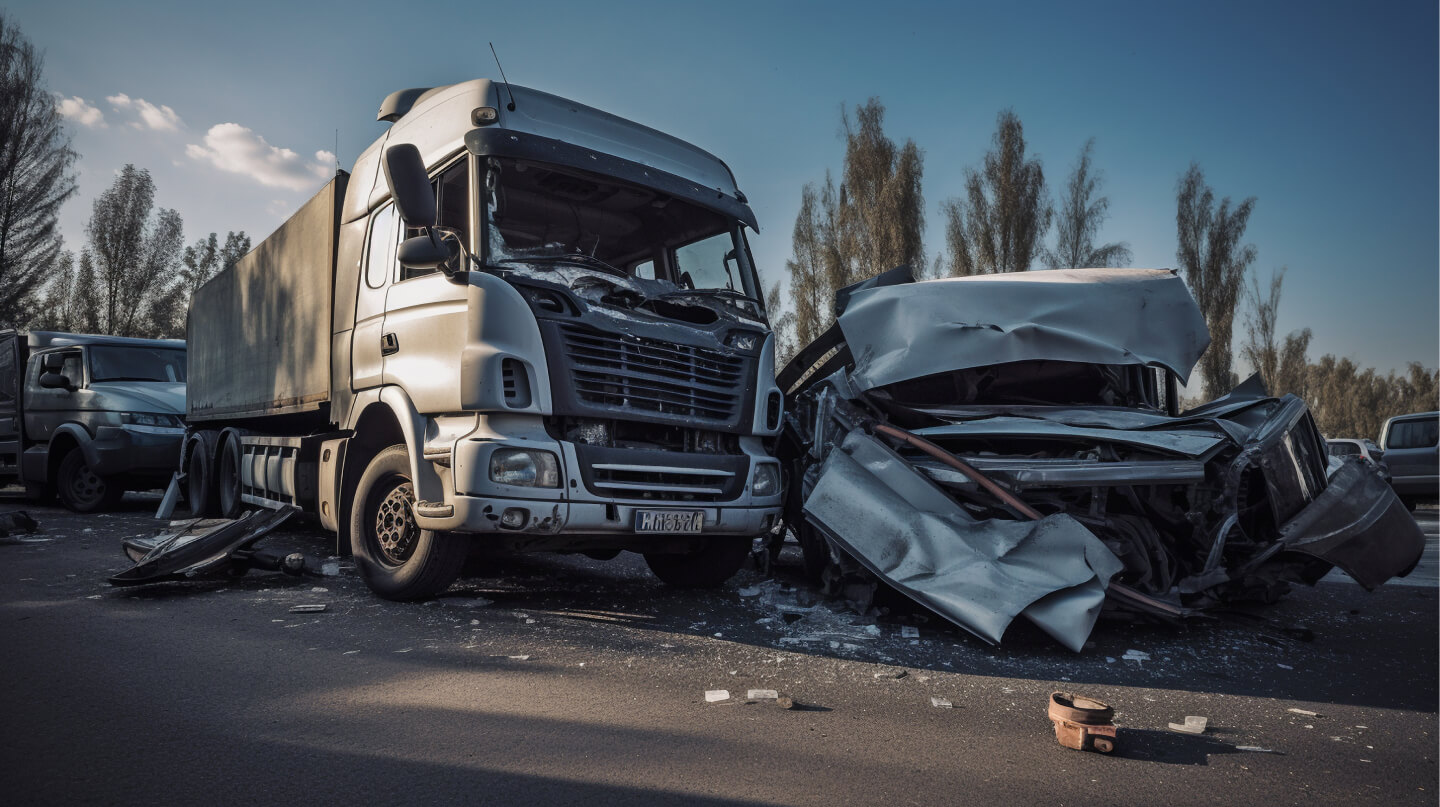
Truck Accidents
Truck accidents often cause accident victims to suffer serious bodily injuries which may result in short-term or long-term disability. Individual accident victims may also suffer severe burns if the truck involved in the accident is transporting flammable liquid. Accident victims may be able to seek punitive damages if the truck driver’s conduct was wanton, willful, or malicious.
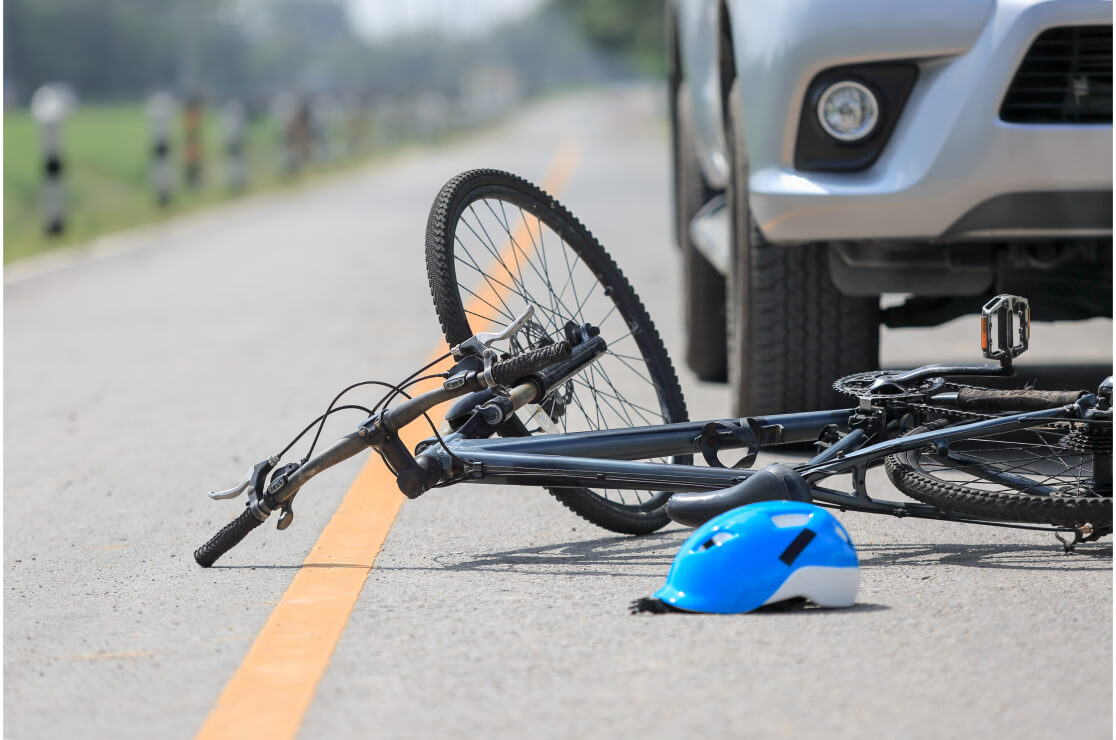
Bicycle Accidents
Bicycling accidents may affect bicyclists, drivers, passengers, and pedestrians. A bicyclist who veers off a bike path and into oncoming traffic may be liable for the accident. However, a driver who falls asleep while driving and strikes a group of cyclists may be liable for causing the bicyclists’ injuries. Therefore, if you have suffered injuries during a bicycle accident, then reach out to a personal injury lawyer in Nevada today.

Pedestrian Accidents Lawyer
Traumatic brain injuries and spinal cord injuries are two of the most common types of injuries pedestrians suffer during accidents involving automobiles. Drivers often do not see pedestrians on dark lanes after sunset. However, a driver must act as a reasonably prudent person under similar circumstances. If you suffered injuries during a pedestrian accident, then it is time for you to learn about the ways you can pursue financial compensation for your injuries.

Rideshare Accident Lawyer
Rideshare accidents require a nuanced approach. At Vaksman Khalfin, PC, our attorneys are well-versed in the legal intricacies of Uber and Lyft accidents, ensuring you have the chance to seek monetary compensation for the injuries you sufffer during a rideshare accident. The insurance policy typically only applies if the driver had the Uber application on at the time of the accident.
What Personal Injury Law Covers in Nevada
Personal injury law in Nevada applies to situations where one person suffers harm because of another party’s negligent, reckless, or wrongful conduct. The legal framework is built around the concept of negligence — a standard that asks whether a person or organization failed to act with reasonable care under the circumstances.
A negligence claim in Nevada typically requires four elements to be established: a duty of care owed to the injured person, a breach of that duty, a direct causal connection between the breach and the injury, and measurable harm that resulted. These elements apply whether the incident involved a vehicle collision on Interstate 15, a fall on a commercial property in Reno, an accident involving a commercial truck on US-95, or an injury caused by a defective product.
Personal injury cases are civil, not criminal. Rather than seeking punishment for the at-fault party, the injured person seeks compensation for real-world losses the injury caused. Nevada’s district court system handles these disputes, with cases typically filed in the county where the injury occurred or where the defendant is located.
What "Negligence" Means in Practice
In a legal context, negligence means a person or entity fell below the standard of care that a reasonably prudent person would have maintained under the same circumstances. Courts and juries measure the facts of each case against that standard.
Scenarios that may give rise to negligence claims in Nevada include:
- A driver who fails to yield at a Las Vegas Valley intersection
- A property owner who leaves a known hazard unaddressed on their premises
- A commercial carrier whose truck driver exceeds federal hours-of-service limits on a US-95 run through the state
- A manufacturer whose product reaches consumers with a defect that causes injury
Whether negligence applies in a specific situation depends on the particular facts, the standard of care relevant to that context, and whether the conduct was a proximate cause of the harm.
Common Types of Personal Injury Cases in Nevada
Nevada’s geography, traffic volume, and mix of urban and rural environments create a range of conditions where accidents can occur. This page covers personal injury matters broadly; sub-practice pages address specific injury types in greater depth.
Motor Vehicle Accidents
Vehicle collisions are among the most frequently litigated personal injury matters in Nevada. The state’s major highway corridors carry substantial commercial and passenger traffic. Interstate 15, which runs through Las Vegas and connects to the California border, sees high volumes of both everyday commuters and long-haul commercial vehicles. US-95 is a primary artery through the Reno-Sparks area and runs north through rural Nevada. Interstate 80 crosses the northern part of the state and carries significant freight traffic.
Within Clark County, surface streets including Tropicana Avenue, Eastern Avenue, and corridors around the I-215 beltway are sites of frequent traffic incidents. In Washoe County, the Reno-Sparks metropolitan area and routes such as the Mount Rose Highway present conditions that shift with weather, particularly in the winter months.
Establishing fault in a vehicle accident case generally requires reviewing the crash report, witness accounts, physical evidence, and, in some cases, formal accident reconstruction. The Nevada Department of Transportation (NDOT) manages the state’s highway infrastructure, and the Nevada Highway Patrol investigates crashes on state and federal roadways.
Truck and Commercial Vehicle Accidents
Accidents involving large commercial trucks can cause serious injuries because of the significant size and weight difference between a semi-truck and a passenger vehicle. Commercial carriers operating in Nevada are subject to federal safety regulations administered by the Federal Motor Carrier Safety Administration (FMCSA), which govern driver hours, vehicle maintenance, load securement, and related matters.
Liability in a truck accident case may involve the driver, the carrier, a maintenance contractor, or a freight shipper, depending on the facts. These cases often require prompt evidence preservation — including records from the truck’s electronic logging device, maintenance history, and any available dashcam or traffic camera footage.
Motorcycle Accidents
Motorcyclists are among the more vulnerable road users in Nevada’s traffic environment. The absence of an enclosed frame means that even lower-speed collisions can result in significant injuries. Common contributing factors in Nevada motorcycle accidents include left-turn collisions at intersections, inattentive drivers changing lanes, and road surface hazards — particularly on rural highways and in areas with active construction — that a passenger vehicle might absorb but that can cause a motorcycle to lose stability.
Slip, Trip, and Fall Incidents
Property owners in Nevada have a legal obligation to maintain reasonably safe conditions for people who are lawfully on their premises. When a dangerous condition — wet or slippery flooring, uneven walkways, inadequate lighting, or unmarked hazards — causes someone to fall and sustain injury, the property owner may bear responsibility under Nevada premises liability law.
These cases require evidence of what the hazard was, how long it had existed, and whether the owner knew or reasonably should have known about it. Documentation gathered close in time to the incident — photographs, incident reports, witness information — can be important to establishing these facts.
Other Injury Scenarios
Personal injury law in Nevada also covers pedestrian accidents, bicycle accidents, defective products, dog bites, and injuries arising from negligent security, among other circumstances. Each category involves its own legal standards, and the applicable rules depend on the specific facts of the situation.
Nevada's Comparative Fault Rules
One of the most consequential aspects of Nevada personal injury law is how the state handles cases in which more than one party may have contributed to an accident. Nevada follows a modified comparative fault rule codified under NRS 41.141. This rule governs how fault is allocated and how that allocation affects the ability to recover damages.
Under Nevada’s comparative fault framework, a plaintiff’s damages may be reduced in proportion to their share of fault. A person found to be 20% at fault for an accident, for example, would be eligible to recover 80% of their total damages. The rule operates as a bar at the 51% threshold: if a plaintiff is found to be 51% or more at fault, they may not recover damages under Nevada law.
What this means in practical terms is that sharing some responsibility for an accident does not automatically foreclose a claim. The question of how fault is distributed between parties is often a central issue in personal injury litigation, and both sides typically present evidence and argument on this point.
How Fault Is Evaluated in Nevada
Fault in a Nevada personal injury case can be assigned among multiple parties — including the plaintiff, one or more defendants, and sometimes non-parties to the litigation. Insurance adjusters, attorneys, and ultimately juries or judges weigh the available evidence and assign percentages. Factors that may bear on fault allocation include:
- Whether applicable traffic laws or safety regulations were followed
- Whether any party was distracted, impaired, or otherwise inattentive
- Whether a property was maintained in accordance with reasonable standards
- Whether a product performed as a reasonable user would expect
The specifics vary considerably by case type and by the facts involved.
What this means for you: Partial involvement in the circumstances leading to your injury does not necessarily end your ability to pursue a claim. Nevada’s modified comparative fault rule preserves the right to recover as long as the plaintiff’s share of fault falls below the statutory threshold under NRS 41.141.
Filing Deadlines: Nevada's Statute of Limitations
Timing is a meaningful factor in Nevada personal injury cases. Under NRS 11.190, the statute of limitations for most personal injury claims is generally two years from the date the injury occurred. Filing a claim after this period has passed can result in dismissal regardless of how strong the underlying facts may be.
There are limited circumstances where the limitations period may be tolled — meaning paused or extended. These can include situations involving injured minors, cases where the injury was not immediately apparent, or claims against government entities, which carry their own shortened notice requirements.
Claims Against Government Entities
If an injury was caused by a condition on government property or by a government employee acting within the scope of their duties, additional procedural requirements may apply. Claims against Nevada government entities typically require the filing of a formal notice of claim within a much shorter window than the general two-year period. Failing to meet this requirement can bar the claim entirely, independent of the general statute of limitations.
Because the rules governing government claims differ from those governing standard civil claims — and because the consequences of missing a deadline are severe — understanding the applicable timeline early is especially important in cases involving a government actor
Why this matters: The general two-year period under NRS 11.190 is the baseline, but exceptions and shorter deadlines exist in specific circumstances. People who believe they may have a claim benefit from understanding their timeline as early as possible.
Robert B. Vaksman, Esq.
Founding Partner
“Some cases are easier than others, but this doesn’t matter at Vaksman Khalfin, because we have the resources to help our clients no matter what is at stake, especially if it’s hard."

ALAN D. KHALFIN, ESQ.
Partner & Managing Attorney
"People call me when they need to plan, but also when something terrible has happened and they need help. It is personal to my clients, so it is personal to me. We have to help — no matter what."

What You Can Expect
From Vaksman Khalfin Personal Injury Attorneys

Free Consultation
At Vaksman Khalfin, PC, your journey to justice begins with a free consultation. We understand the financial strain that can accompany a personal injury case, so we offer this initial meeting at no cost to you. This allows us to assess your case, discuss your options, and chart a path forward. Also, we can develop an effective case strategy for your case.

You Only Pay Us if We Reach a Settlement
We operate on a contingency fee basis, meaning you only pay us if we successfully reach a settlement on your behalf. This commitment underscores our confidence in our ability to secure the compensation you deserve. We work on your case to ensure that we zealously represent our clients and protect their legal rights.

Exceptional Attorneys and Case Managers
Our team comprises seasoned attorneys and dedicated case managers who bring a wealth of experience to your case. From negotiation to litigation, we leverage our expertise to build a strong case tailored to your unique situation. We are always here to answer any questions you have about the status of your case.

Medical Providers Won't Receive Payment Until We Finalize Your Case
We understand the financial strain that medical bills can cause. Our commitment is to ensure that your medical providers won't receive payment until we've finalized your case, allowing you to focus on your recovery without added financial stress. We can negotiate with doctors who treat on a lien basis. Once your case settles, we can negotiate those liens down so you can preserve more of your settlement funds.
What Our Clients Say



"The entire process was seamless, from start to finish. Team was considerate and incredibly supportive throughout my case. My doctor pointed me their way, and I'm glad he did – these guys really take your side and ensure you get the justice you deserve."

"It was a breeze working with them on my injury claim! Everyone there, especially Mr. Vaksman, were so approachable and patient with all of my questions. After talking to numerous other lawyers and reading countless reviews, it became clear that the quality and care VK offers is simply unmatched."

What to Do After an Injury in Nevada
When a personal injury claim is successful, the compensation awarded — referred to in legal terms as “damages” — is intended to address the losses the injured person actually suffered. Nevada law recognizes several categories of damages, and which ones apply depends on the nature and severity of the injury.
Economic Damages
Economic damages represent verifiable financial losses tied directly to the injury. Common categories include:
- Medical expenses, including emergency care, hospitalization, surgery, rehabilitation, and ongoing treatment
- Lost income from time missed at work during recovery
- Reduced future earning capacity if the injury affects the person’s ability to work long-term
- Property damage, where applicable — as in a vehicle collision
- Anticipated future medical or care costs if the injury requires long-term management
Non-Economic Damages
Non-economic damages address real losses that are not strictly financial. These can include:
- Physical pain and suffering
- Emotional distress
- Loss of enjoyment of activities the person previously engaged in
- Loss of consortium, in cases where an injury affects a spousal relationship
Nevada does not broadly cap non-economic damages in standard personal injury cases, though specific limitations may apply in certain medical contexts. Because rules in this area can change, any reference to damage caps in a particular case should be verified against current Nevada law.
Punitive Damages
Nevada law permits punitive damages in cases where the defendant’s conduct involved fraud, oppression, or malice — conduct that goes well beyond ordinary negligence. These are not routinely available and require a higher showing than standard negligence. When they do apply, punitive damages serve a different function than compensatory damages: they address conduct rather than loss.
Practical takeaway: Damages are not guaranteed. Their availability and amount depend on the specific facts of the case, the evidence presented, and the legal standards that apply. Conditional language — “may be available,” “can include” — reflects the inherently fact-specific nature of these determinations.
How Nevada's Civil Courts Handle Personal Injury Claims
Most personal injury lawsuits in Nevada are filed in the state’s district courts. Jurisdiction typically turns on where the injury occurred or where the defendant is located.
Clark County and the Eighth Judicial District Court
Clark County — which encompasses Las Vegas, Henderson, North Las Vegas, and surrounding communities — is served by the Eighth Judicial District Court. This is Nevada’s highest-volume court, handling the majority of civil litigation in the state. Personal injury cases filed in Clark County proceed through this court’s civil division. Filings, hearings, and trials follow the Nevada Rules of Civil Procedure.
Washoe County and the Second Judicial District Court
Cases arising in and around Reno, Sparks, and the greater Reno-Tahoe metropolitan area are typically filed in the Second Judicial District Court in Washoe County. The court operates under the same procedural rules that apply statewide, though practical differences in scheduling and local practice can exist between high-volume urban courts and smaller venues.
Rural Nevada
Nevada’s remaining 15 counties each have their own district courts. Cases arising along US-93 through eastern Nevada, in Elko County, or in communities along I-80 in northern Nevada would be filed in the relevant county court. The substantive and procedural rules are largely uniform across Nevada, though logistical considerations vary in rural jurisdictions.
The Civil Litigation Process
Personal injury litigation in Nevada generally follows a sequence that begins with filing a complaint and serving the defendant. The parties then enter discovery — a phase in which documents are exchanged, depositions are taken, and expert opinions may be developed. Many cases are resolved through settlement before trial; others proceed through motion practice and ultimately to a jury or bench trial.
The timeline for any given case depends on the complexity of the facts, the severity of the injuries, the number of parties, and court scheduling. Cases involving significant injuries or genuinely disputed liability tend to take longer to resolve. The Nevada Judicial Branch’s civil self-help resources provide general information on how the civil litigation process works in the state.
What to Do After an Injury in Nevada
The actions taken in the days and weeks following an injury can have practical implications for any potential claim. While every situation is different, several considerations apply across a wide range of personal injury scenarios.
Seeking prompt medical evaluation serves both health and documentation purposes. A timely medical record creates a contemporaneous account of the injury and its extent. Gaps or delays in seeking care can sometimes be used to argue that the injury was less severe than claimed.
Preserving evidence at the scene or shortly after — photographs of the conditions that caused the injury, contact information for witnesses, and copies of any police or incident reports — provides a factual record that may be important later. In cases involving commercial vehicles or business premises, physical and electronic evidence can be lost quickly if steps are not taken to preserve it.
Reporting obligations also matter. Nevada law requires drivers involved in accidents that result in injury or significant property damage to report the incident. The Nevada DMV’s crash reporting page outlines when and how that obligation applies.
Finally, understanding the applicable legal deadlines — particularly the general two-year period under NRS 11.190 and the shorter timelines for government claims — helps ensure that legal options are not inadvertently forfeited through delay.
How We Help Nevada Personal Injury Clients
Pursuing a personal injury claim in Nevada involves legal procedures, insurance negotiations, medical documentation, and, often, genuinely contested questions of liability and damages. The complexity of any particular case depends on the facts, but the stakes are frequently significant — particularly when injuries are serious or have lasting effects.
Our firm handles Nevada personal injury matters for clients throughout the state, including the Las Vegas metropolitan area in Clark County and the Reno-Sparks corridor in Washoe County. We approach each case with a thorough review of the facts, applicable Nevada law, and the available evidence.
We manage the procedural aspects of the claim so clients can focus on recovery. That includes communicating with insurance carriers, coordinating with relevant parties to preserve evidence, conducting legal research, and preparing for litigation when a matter cannot be resolved through negotiation. Throughout the process, our goal is to provide clear, accurate guidance — explaining what the law provides, what the process involves, and what can realistically be expected at each stage.
For a broader overview of our Nevada legal practice, you can visit our Nevada lawyers page. If you are ready to discuss a potential Nevada personal injury matter, you can schedule a free consultation through our website.
How it works
We will fight for your rights.
Complimentary consultation
We provide a complimentary consultation regarding your matter. If we're a mutual fit, you'll sign an engagement agreement before we get started. Remember, we don't get paid unless and until you do.

Working with a legal team
Our legal team will work with you and your medical provider to ensure you're effectively treated. After, we serve a pre-litigation demand and negotiate with the defendant. If we don't get what we believe you deserve, we consider going to court.
We will fight for you
If pre-litigation efforts fail, we'll continue fighting for you in court. Going to trial may take a while, but it ensures you get what you deserve.

Nevada Personal Injury
Frequently Asked Questions
Under NRS 11.190, the general statute of limitations for personal injury claims in Nevada is two years from the date of the injury. This timeframe can be affected by several factors, including claims against government entities (which carry shorter notice requirements), injuries that were not immediately apparent, and cases involving minors. Because missing a filing deadline can forfeit the right to pursue a claim, understanding the applicable timeline for your specific situation early is important.
Nevada follows a modified comparative fault rule under NRS 41.141. If you are found to be partially at fault, your recoverable damages may be reduced by your share of fault. You may still recover as long as your portion of fault is below 51%. At 51% or more, recovery is barred under current Nevada law. Fault allocation is frequently a disputed issue in personal injury cases, and evidence on this point is typically presented by both sides.
A successful Nevada personal injury claim may result in compensation for economic losses — including medical expenses, lost wages, and future care costs — as well as non-economic damages for pain, suffering, and loss of enjoyment of life. In cases involving particularly egregious conduct, punitive damages may also be available, though they require a higher showing than standard negligence. The specific categories and amounts depend on the facts of the individual case and cannot be determined in the abstract.
Most personal injury lawsuits in Nevada are filed in the district court for the county where the injury occurred or where the defendant is located. In Clark County, that is the Eighth Judicial District Court. In Washoe County, it is the Second Judicial District Court. Each of Nevada's other counties has its own district court that handles civil matters within its jurisdiction.
Seeking medical attention is generally the first priority, both for health reasons and to create a timely record of the injury. Preserving evidence — photographs, witness contact information, incident or police reports — can support a later claim. Meeting any applicable reporting obligations under Nevada law, including crash reporting requirements through the Nevada DMV, is also important. Understanding the applicable filing deadlines early helps ensure legal options remain open.
Nevada law does not require a person to have an attorney to pursue a personal injury claim. However, comparative fault rules, insurance carrier negotiations, evidence preservation obligations, filing deadlines, and the potential for litigation all involve procedural and legal complexity. Many people choose to work with an attorney to evaluate the merits of their claim, understand what damages may apply, and navigate the process — particularly when injuries are serious or liability is disputed.
SUBMIT YOUR CONTACT DETAILS 100% Free Consultation, Always. Free Consultation.