New York
Personal Injury Lawyers$10 MM+
Recovered for Clients
1000 +
Injured Clients
3.5 ×
Higher Compensation*

No Recovery.
No Fee.

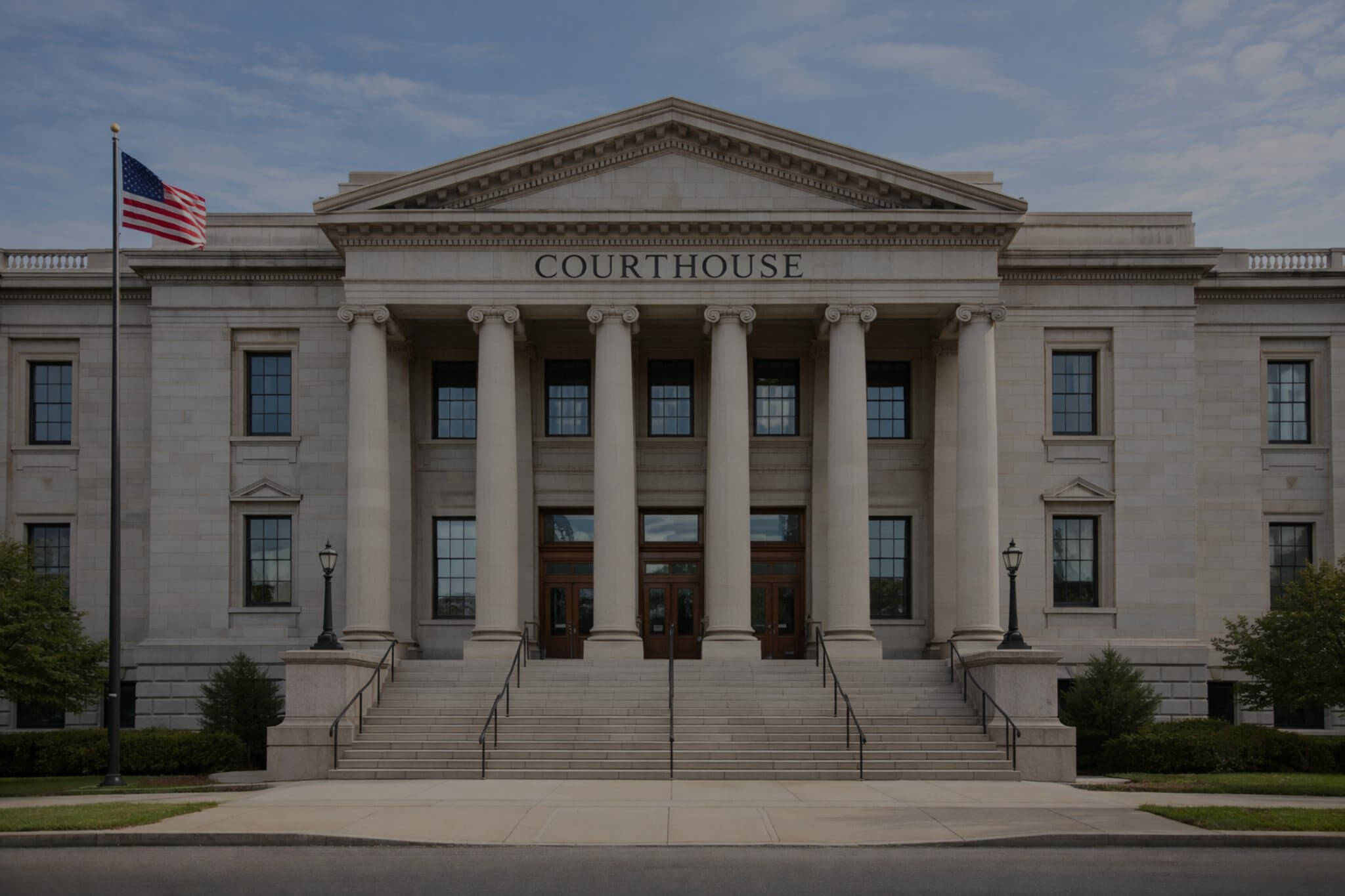

When someone is hurt in an accident, the questions that come up can be just as stressful as the injury. What rights do you have in New York? What are the deadlines? Who might be responsible, and how is that figured out? New York has its own set of rules for personal injury claims that differ from those in other states. This page gives a clear overview of how personal injury law works in New York, what you can expect, and how our team can help.
Primary Practice Areas
New York Personal Injury Law

Car Accident
Accidents are common, but you shouldn’t have to endure the consequences of someone else’s negligence. If you’re injured, let us help. Remember, we only get paid if you do.

Brain Injury
You don’t have to face the challenges of a life-changing brain injury on your own. Our expert lawyers are ready to advocate for your rights and obtain the compensation you deserve.

Wrongful Death
Losing a loved one because of someone’s negligence is heartbreaking. At Vaksman Khalfin, we are committed to helping you seek justice and compensation to help ease your burdens during this challenging time.

Slip and Falls
Have you experienced a slip and fall accident due to negligence? Our skilled lawyers are ready to support you. We will assist you in obtaining compensation for medical expenses, lost wages, and pain and suffering.

Defective Products
If you have suffered an injury due to a defective product, our experienced lawyers are ready to take on large corporations and recover the settlement you’re entitled to.
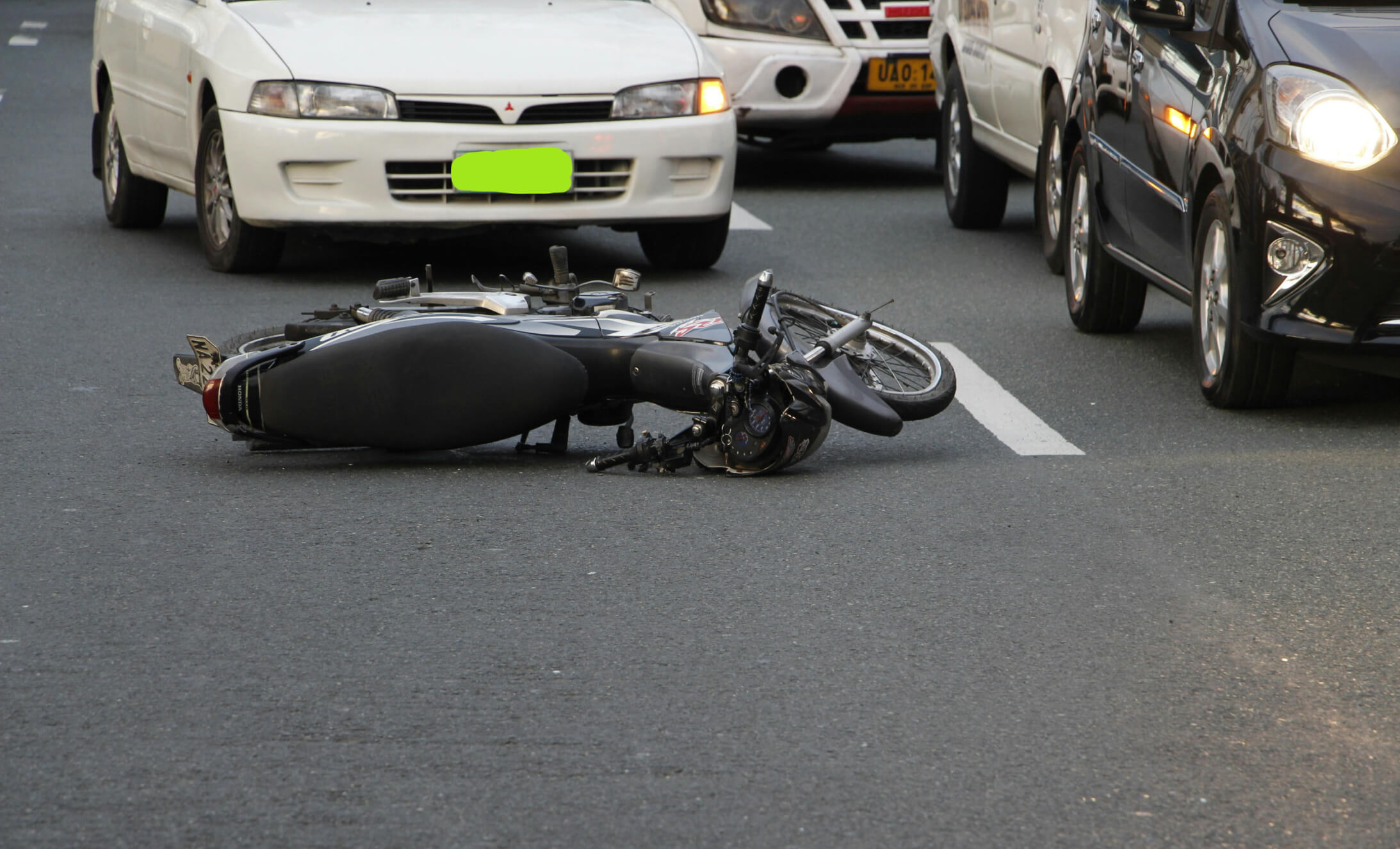
Motorcycle Accidents
Motorcycle accidents often result in serious injuries that can have long-lasting effects. Let a committed personal injury lawyer in New York advocate for your rights and help you secure the compensation you deserve.
Rideshare Accident Lawyer
If you’ve been involved in a rideshare accident and don’t know what to do next, our experienced lawyers are here to help. With expertise in ridesharing laws, we will work tirelessly to secure your deserved compensation.

Truck Accidents
Truck accidents can lead to serious repercussions. Our lawyers are dedicated to holding negligent parties responsible and striving to achieve the maximum compensation available.

Bicycle Accidents
Bicycle accidents often involve intricate legal challenges. Our personal injury law firm in New York is committed to vigorously defending your rights and ensuring you obtain the highest possible compensation for your injuries and losses.

Pedestrian Accidents Lawyer
Have you been hit as a pedestrian and require legal assistance? At Vaksman Khalfin, we are steadfast in advocating for your rights and dedicated to securing the compensation you deserve.
What Personal Injury Law Covers in New York
Personal injury law allows people to seek help if they are injured because someone else was careless or negligent. In New York, these claims can arise from many situations: a car accident on the Long Island Expressway, a slip and fall in a Queens building, a crash with a delivery truck on the Cross Bronx Expressway, or an injury at a Manhattan office building. The main idea is that someone else did not act carefully enough, resulting in the injury.
New York personal injury law is mostly based on state laws and court decisions. The rules for determining who is at fault, how losses are measured, and how cases are initiated are unique to New York and may differ from those in other states. Understanding these rules can help injured people make better choices about what to do next.
Types of Accidents and Injuries That May Give Rise to a Claim
New York’s mix of dense urban infrastructure, suburban roadways, commuter rail corridors, and rural highways creates a broad landscape of potential injury scenarios. In New York City, pedestrian accidents, bicycle collisions, and transit-related incidents are among the more common types of personal injury matters. The city’s extensive network of crosswalks, bus routes, and subway stations means that vehicle-to-pedestrian and vehicle-to-cyclist collisions occur in settings ranging from Midtown Manhattan to Atlantic Avenue in Brooklyn to major intersections throughout the Bronx and Queens.
Outside the five boroughs, major highway corridors carry different risks. The New York State Thruway (I-87), I-95 through Westchester County, and the Long Island Expressway (I-495) are high-volume routes where multi-vehicle accidents and commercial truck collisions occur. Upstate, roadways in the Finger Lakes region, the Capital District, and the North Country present distinct conditions: reduced lighting, narrower lanes, and longer emergency response times can all affect the aftermath of a serious accident.
Common Injury Types in New York Personal Injury Cases
The range of injuries that may give rise to a personal injury claim in New York is broad. Some of the most frequently encountered include:
- Traumatic brain injuries (TBIs), which may affect cognition, memory, balance, and daily function
- Spinal cord injuries and serious back injuries resulting from high-impact collisions or falls
- Orthopedic injuries, including fractures and joint damage
- Soft tissue injuries to muscles, tendons, and ligaments
- Internal injuries sustained in motor vehicle accidents
- Burns, scarring, or disfigurement resulting from fires, defective products, or other incidents
Each type of injury can lead to different medical, financial, and personal problems. The severity of the injury, how the accident occurred, and who was involved all affect how a claim moves forward.
New York's Legal Framework: Comparative Fault and How Liability Is Assessed
Pure Comparative Negligence in New York
New York follows the legal doctrine of pure comparative negligence. Under this framework, an injured person may still seek compensation even if they were partially responsible for the accident. Their recoverable damages may be reduced in proportion to their share of fault, but the ability to pursue a claim is not eliminated by shared fault, even when that share is substantial.
This approach differs from the rules in many other states, where a person who bears more than a certain percentage of fault may be barred from recovery entirely. In New York, fault is assessed based on the specific facts and circumstances of each case. Witness accounts, physical evidence, police reports, photographs, and expert analysis can all bear on how fault is ultimately determined.
Who May Be Liable
In a New York personal injury case, one or more people or companies can be responsible, depending on what happened. It could be a careless driver, a property owner who failed to fix a hazard, a company that made a faulty product, a government agency, an employer, or a mix of these. Figuring out who might be responsible is one of the most important first steps in looking at a claim.
What this means for you: Being partly at fault for an accident does not necessarily end your ability to seek compensation under New York law. What matters is an accurate accounting of what happened and who bears what portion of responsibility.
New York's No-Fault Insurance System and When a Lawsuit May Be Available
How No-Fault Works
New York is a no-fault automobile insurance state. After a motor vehicle accident, injured parties generally seek compensation for medical expenses and certain lost wages through their own personal injury protection (PIP) coverage, regardless of who caused the accident. This system is intended to provide quicker access to basic compensation without requiring a fault determination first.
This means that in many auto accident situations, the initial claim does not involve suing the other driver. Instead, an injured person looks to their own insurer for certain immediate costs, up to the limits of their PIP coverage.
The Threshold for Filing a Personal Injury Lawsuit
New York law establishes a threshold for stepping outside the no-fault system and pursuing a civil lawsuit against an at-fault driver. To bring such a claim, an injured person’s injuries generally must meet the definition of a “serious injury” as defined under New York’s Insurance Law. This statutory definition includes categories such as significant disfigurement, fracture, permanent loss of use of a body organ or member, significant limitation of use of a body function or system, and certain defined periods of total disability.
Because this threshold is defined by statute, whether a particular injury qualifies can be a substantive legal question. How an injury is documented by physicians, through diagnostic imaging, and in medical records, can matter considerably in determining whether the threshold is met.
Why this matters: The no-fault system provides a baseline of coverage, but it does not address the full scope of losses many injured people experience. Understanding when and whether to pursue a lawsuit beyond the no-fault system is a meaningful part of evaluating options after a serious auto accident in New York.
Filing Deadlines and Notice Requirements in New York
General Statute of Limitations
New York law sets time limits for bringing personal injury claims. Under the New York Civil Practice Law and Rules (CPLR), the general statute of limitations for most personal injury claims is three years from the date of the injury. For wrongful death claims, where surviving family members seek compensation for the loss of a loved one, the filing deadline is generally two years from the date of death. These are not soft guidelines. A claim filed after the applicable deadline is typically barred, regardless of how serious the injury was or how clear the other party’s responsibility may be.
Claims Against Government Entities
A separate and significantly shorter set of rules applies when an injury involves a government entity. When a claim is brought against the City of New York, a New York City agency, the Metropolitan Transportation Authority (MTA), a state agency, or another governmental body, injured parties are generally required to file a formal Notice of Claim before any lawsuit can be filed. This notice requirement carries its own deadline, considerably shorter than the three-year general limitation, and failure to meet it can affect the ability to pursue the claim entirely.
Given the volume of public infrastructure, transit systems, and government-operated facilities in New York City and across the state, government entity involvement in an accident is not uncommon. Identifying that involvement early and acting within the applicable notice period is one of the most time-sensitive aspects of New York personal injury practice.
What Compensation May Cover in a New York Personal Injury Case
The goal of a personal injury claim is to address the losses caused by the injury. It isn’t about enriching the injured person but accounting for what they’ve gone through and may still face. In New York, compensation in a civil personal injury case may encompass several categories of damages, depending on the facts and the evidence.
Recoverable damages may include:
- Medical expenses: past and anticipated future costs of treatment, surgery, physical therapy, rehabilitation, prescription medication, and ongoing care connected to the injury
- Lost income (wages and earnings lost during the period of recovery
- Reduced earning capacity) in serious cases, the injury makes it harder to earn money in the future
- Pain and suffering: the physical pain and emotional distress associated with the injury and its lasting effects on quality of life
- Property damage (costs to repair or replace a vehicle or other personal property damaged in the accident
- Loss of consortium) in some cases, the impact of the injury on the injured person’s relationship with a spouse or close family member
The types of compensation that apply and what can be proven depend on the severity of the injury, how the accident occurred, and the applicable rules. No one can say exactly how much money will be given in advance, and the amount depends on the evidence, not guesses.
New York does not apply a general cap on most personal injury damages in civil cases, though specific rules may apply in medical malpractice and certain other specialized contexts.
How Personal Injury Cases Move Through New York's Courts
Filing and Court Structure
Personal injury cases in New York are typically filed in the New York Supreme Court, which functions as the state’s primary trial-level court for civil matters. Each county has its own Supreme Court, and cases are generally filed in the county where the accident occurred or where the defendant resides or does business.
In New York City, this means filing in the Supreme Court for the right borough: Kings County (Brooklyn), Queens County, New York County (Manhattan), Bronx County, or Richmond County (Staten Island). Outside the city, cases may go to Supreme Courts in counties like Westchester, Nassau, Suffolk, Erie, Monroe, and Albany; each handles civil cases on its own but follows the same state rules.
The New York Unified Court System provides a statewide overview of court structure and how civil cases are organized. For procedural questions, the New York Civil Practice Law and Rules (CPLR) governs civil litigation procedures across the state.
Discovery and Resolution
After a case is filed, both sides share documents, evidence, and witness details. Depositions, which are recorded interviews under oath, are common in New York personal injury cases. Experts, like doctors and accident specialists, often give their opinions in more serious cases.
Many personal injury cases in New York are settled before trial. If there is no settlement, the case may go to a jury trial. What happens depends on how strong the evidence is, who is involved, how serious the injuries are, and other details that come up as the case moves forward.
Navigating Personal Injury Claims Across New York
New York City: Urban Infrastructure and Transit Complexity
Many of New York’s personal injury claims happen in New York City, where crowded sidewalks, heavy traffic, and a large public transit system create unique injury situations. The MTA operates one of the largest transit systems in the world. Accidents on subway platforms, bus stops, subway cars, or involving MTA buses are subject to special rules, including Notice of Claim requirements for claims against public agencies.
The city’s road network includes major corridors where accidents involving multiple parties, commercial vehicles, and complex insurance issues occur regularly. High-volume routes like the Brooklyn-Queens Expressway (BQE, I-278), the Franklin D. Roosevelt Drive, the Belt Parkway, and the Staten Island Expressway see a range of accident types, from rear-end collisions to pedestrian incidents near on-ramps and service roads.
When a roadway condition, such as a pothole or missing signage, is a contributing factor in an accident, it is important to determine which agency is responsible for maintaining that road. The New York State Department of Transportation oversees state-managed infrastructure, while municipal agencies manage city streets separately. Identifying the responsible party early is essential, particularly given the Notice of Claim requirements for government-related claims.
Upstate New York: Different Geography, Different Considerations
Upstate New York presents a materially different accident landscape. Highway corridors such as the New York State Thruway (I-87), Interstate 81 through Syracuse and Binghamton, Route 17 in the Southern Tier, and I-90 across the western part of the state carry significant freight and passenger traffic. Rural county roads throughout the Finger Lakes, Adirondack, and Hudson Valley regions involve narrower lanes, varied lighting conditions, and different emergency response dynamics.
Upstate cases may also involve different venue considerations, different jury composition, and different local court practices than downstate litigation. Handling claims in places like Albany, Buffalo, Rochester, or small county courts is often very different from going to court in Manhattan.
Commercial Vehicle and Trucking Accidents in New York
New York’s highways are home to many big trucks, especially on I-95 in Westchester, I-87 near New York City, and across the state. Accidents involving tractor-trailers, large delivery trucks, and other commercial vehicles often raise more complex legal issues than regular car accidents.
The Federal Motor Carrier Safety Administration (FMCSA) sets federal standards for commercial driver qualification, hours of service, cargo securing, and vehicle maintenance that apply regardless of state lines. When a commercial vehicle is in a New York accident, the applicable regulatory framework and the entities potentially responsible, including drivers, carriers, and maintenance contractors, can be considerably broader than in a standard two-car collision.
Establishing what rules applied, whether they were followed, and how any violations may relate to the accident requires access to regulatory records, driver logs, and maintenance histories. These records are subject to their own preservation timelines, which is one reason why commercial vehicle cases often benefit from early investigation.
Premises Liability and Slip and Fall Injuries in New York
Property owners and managers in New York have a duty to maintain reasonably safe conditions for people who enter their property lawfully. When a hazardous condition, such as a wet floor, uneven walking surface, inadequate lighting, a broken handrail, or a hidden obstacle, causes an injury, the property owner or manager may be legally responsible under premises liability principles.
Slip and fall cases in New York often depend on what the property owner knew or should have known about the danger, and whether they did enough to fix it quickly. Things like how the fall happened, what the danger was, how long it lasted, whether it was reported, and whether there was a warning are all important in these cases.
New York’s premises liability landscape includes commercial properties, residential buildings, public spaces, and sidewalks. Responsibility for sidewalk conditions can, in certain circumstances, rest with the property owner adjacent to the sidewalk rather than the city, though this depends on the specific municipality and applicable local requirements. Because these rules vary, identifying the correct responsible party in a sidewalk injury case requires careful attention to location and applicable law.
Practical takeaway: A slip and fall case is not simply about whether a surface was wet or uneven. It involves a legal question about what the property owner knew, when they knew it, and what they did, or failed to do: in response.
Robert B. Vaksman, Esq.
Founding Partner
“Some cases are easier than others, but this doesn’t matter at Vaksman Khalfin, because we have the resources to help our clients no matter what is at stake, especially if it’s hard."

ALAN D. KHALFIN, ESQ.
Partner & Managing Attorney
"People call me when they need to plan, but also when something terrible has happened and they need help. It is personal to my clients, so it is personal to me. We have to help: no matter what."

What You Can Expect
From Vaksman Khalfin Personal Injury Attorneys

FREE CONSULTATIONS FOR PROSPECTIVE CLIENTS
At Vaksman Khalfin, PC we value transparency and offer a free initial consultation. We will assess the facts of your case, outline achievable outcomes, and chart a probable course of action without any financial obligation on your part. We are here for you and your family.

YOU ONLY PAY US IF WE REACH A SETTLEMENT
Your satisfaction is our number one priority. Our payment structure follows a "no win, no fee," policy. Our policy guarantees our fees are contingent on a successful outcome for your case.

EXCEPTIONAL LAWYERS AND CASE MANAGERS
A professional lawyer with a case manager will be assigned to your case to ensure dedicated service and personalized attention. This loyal team is your consistent point of contact and handles all of your concerns personally.

MEDICAL PROVIDERS WILL NOT RECEIVE PAYMENT UNTIL YOUR CASE IS RESOLVED
We believe in a complete and fair resolution of your case before medical providers get paid. At Vaksman Khalfin, PC, your medical needs are our top priority. Our focus remains on achieving the best outcome for your case.
What Our Clients Say



"After my car accident, the lawyers and staff at Vaksman Khalfin kept me informed and showed genuine care and dedication to my case. They handled all the paperwork and negotiations with the insurance companies, which took a huge weight off my shoulders. Thank you for your outstanding service and support during a difficult time!"

"I couldn't be more satisfied with the services provided by Vaksman Khalfin. Thanks to their diligent work, I received a settlement that exceeded my expectations. I highly recommend Vaksman Khalfin to anyone in need of a personal injury lawyer in New York."

Steps to Consider After an Accident in New York
What you do right after an injury can affect how your personal injury claim goes later. Every case is different, and the best steps depend on what happened, but people in New York accidents often find these steps helpful:
- Get medical help right away. Having records of your injuries soon after the accident helps show they were caused by the accident. Waiting to get care can make it harder to prove this.
- Report the accident to the right people. This could mean calling the police, telling a property manager or your boss, or reporting it to a transit authority. Official reports document what happened at the time.
- Keep any evidence you can. Take photos of the accident scene, get contact information for witnesses, and save any reports or paperwork. These can be very helpful later.
- Be careful with recorded statements. Insurance representatives may contact injured parties quickly after an accident. Statements made before consulting an attorney and before the full scope of injuries is understood can sometimes create complications in a claim.
- Be aware of deadlines. As mentioned earlier, New York has different deadlines depending on the type of claim and who is involved. Acting before these deadlines, especially if the government is involved, is important.
These are general informational steps, not legal advice. The appropriate course of action in any specific situation depends on the facts of that situation.
Common Patterns That Can Affect a New York Claim
Some issues come up frequently across personal injury matters in New York, not as guaranteed outcomes, but as patterns worth understanding.
- Waiting to get medical treatment is a common problem. If someone waits to see a doctor, it is harder to show that the accident caused the injury. Medical records made soon after the accident are usually stronger proof of what happened and how serious the injury is.
- Missing the right deadline is another common issue. The standard three-year window for a personal injury claim is meaningfully different from the shorter deadlines that apply when a government entity is involved. These are not interchangeable, and misidentifying which deadline applies can close off options entirely.
- Giving recorded statements to insurance companies before talking to a lawyer can also create complications. Insurance carriers, including an injured person’s own insurer in a no-fault context, may move quickly to collect statements. Statements given without a full understanding of one’s legal rights and the scope of one’s injuries sometimes affect how a claim proceeds.
These patterns do not determine the outcome of a case. But knowing about them helps you handle a personal injury claim with better information.
How We Help New Yorkers Injured in Accidents
Vaksman Khalfin helps people who have been hurt in accidents across New York and need clear guidance through the legal process. We focus on understanding everything about what happened, how the accident occurred, the injuries, and the applicable rules before giving advice on what to do next.
We help clients at every step of a personal injury case: reviewing the case at the start, sharing information, talking with insurance companies and the other side, and preparing for settlement or trial if needed. Our cases come from car accidents, injuries on someone else’s property, truck accidents, transit injuries, and other accidents in New York City, Long Island, Westchester County, and upstate areas. Our team knows the rules and steps for personal injury cases in New York, how the courts work, the no-fault rules, the shared fault system, and the special notice rules for claims against the government. This knowledge helps us look at each case and explain options to our clients at every step.
To learn more about our legal team in New York, visit our New York lawyers overview. If you are ready to discuss your situation directly, you can schedule a free consultation at any time.
How it works
We will fight for your rights.
Complimentary consultation
We provide you with a complimentary consultation related to your legal matter. If we are mutually interested in working together, you will sign an engagement agreement, after which we will get started on developing your case strategy. Remember, we don't get paid unless and until you get paid.

Working With a Team of Personal Injury lawyers
Our legal team will work with you and your medical providers to ensure that you receive the best medical treatment available. Afterward, we serve a pre-litigation demand package and negotiate with the defendant. If we don't get what we believe you are owed, we consider going to court.
We Will Fight For You
If pre-litigation efforts fail, in certain situations, we will continue fighting for you in court. This may take a while, but it will ensure that you get what you deserve. We have years of experience handling civil lawsuits in the state of New York.

New York Personal Injury Frequently Asked Questions
For most personal injury claims in New York, the general statute of limitations is three years from the date of the injury, as set out in the CPLR. However, this timeline can differ significantly depending on the circumstances. Wrongful death claims are generally subject to a two-year filing period from the date of death. Claims involving government entities, including the City of New York, the MTA, or state agencies: require a formal Notice of Claim to be filed within a much shorter period before a lawsuit may be brought. Because these deadlines vary and some are quite short, identifying which deadline applies, and acting within it: is one of the most time-sensitive aspects of any potential claim.
New York follows a pure comparative negligence rule, which means that partial fault does not bar an injured person from seeking compensation. If a person is found to bear some share of responsibility for an accident, any damages they may recover could be reduced proportionally, but the right to pursue a claim is not eliminated. The actual impact of comparative fault on any specific case depends on the evidence and how fault is ultimately apportioned.
In New York, injured parties in auto accidents generally seek initial compensation for medical expenses and certain lost wages through their own personal injury protection (PIP) coverage, regardless of who caused the accident. To pursue a civil lawsuit against an at-fault driver beyond the no-fault system, an injured person's injuries typically must meet the statutory "serious injury" threshold defined under New York's Insurance Law. Not every auto-related injury qualifies under that threshold, and how an injury is medically documented can matter considerably in the evaluation.
Compensation in a personal injury case may cover medical costs (past and future), lost earnings, reduced earning capacity, pain and suffering, property damage, and in some cases, loss of consortium. The specific categories available depend on the nature of the harm and what can be established through evidence. No particular dollar outcome can be predicted in any case, and compensation is determined by the evidence and applicable law, not by advance estimates.
Most personal injury cases in New York are filed in the New York Supreme Court, which serves as the state's primary civil trial court. Cases are typically filed in the county where the injury occurred or where the defendant is located. In New York City, this corresponds to the Supreme Court of the relevant borough. Kings County for Brooklyn, Queens County for Queens, New York County for Manhattan, and so on. The New York Unified Court System provides an overview of the civil court structure across the state.
Yes. When an injury involves a government entity (the City of New York, the MTA, a state agency, or another governmental body) a formal Notice of Claim must generally be filed within a specified period before a lawsuit can proceed. This deadline is considerably shorter than the general three-year statute of limitations. Because government entity involvement is common in New York, particularly in transit-related and roadway cases, identifying that involvement early and acting within the notice period is an important part of preserving a claim.
Seeking prompt medical attention is the first priority after any injury. Beyond that, documenting the scene (photographs, witness contact information, official reports) supports any future claim. Reporting the accident to the appropriate parties, whether police, a property manager, or a transit authority, creates a contemporaneous record. Being cautious about formal statements to insurance representatives before consulting an attorney is something many injured people choose to do. These steps are informational only: the right approach in any situation depends on the specific facts.
SUBMIT YOUR CONTACT DETAILS 100% Free Consultation, Always. Free Consultation.