
Being named successor trustee is not an honour so much as a job with legal duties attached. It begins with a deadline most people do not know exists: California requires a notification to be served within 60 days of the settlor’s death, and getting it wrong has consequences for the trustee personally.
This page explains what trust administration involves, the notification requirement and the contest window it starts, what a trustee is responsible for, and what beneficiaries are entitled to. Our California estate attorneys work with trustees and beneficiaries from our San Mateo office. For a free consultation, call 650-250-0705.
What Is Trust Administration?
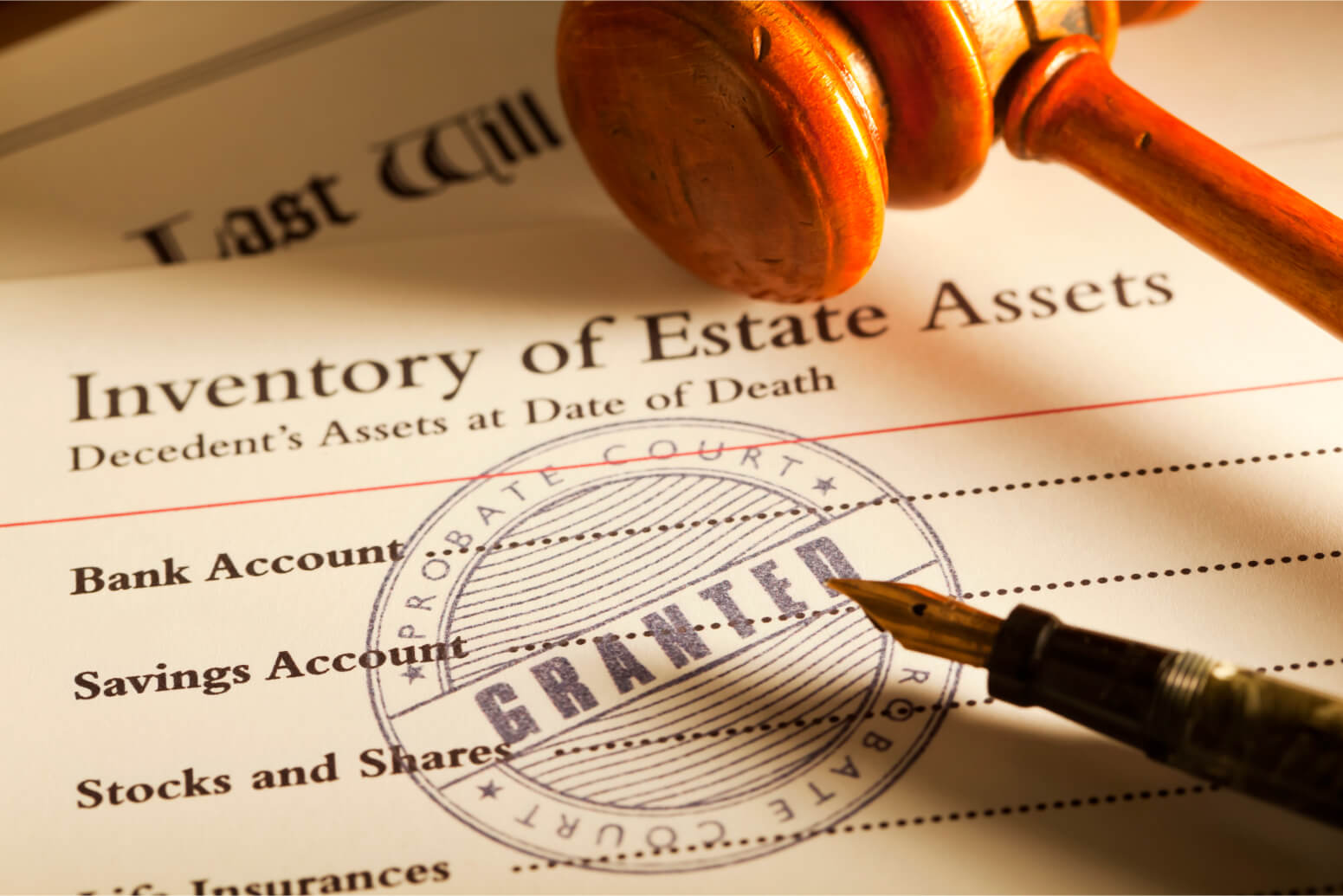
Trust administration is the process of carrying out a trust’s terms after the settlor dies — identifying and valuing assets, notifying beneficiaries and heirs, paying debts and taxes, and distributing what remains. Unlike probate, it generally proceeds without court supervision. Under Probate Code section 16061.7, the trustee must serve a notification within 60 days of the trust becoming irrevocable, and under section 16061.8 that notification starts a 120-day window for anyone to contest the trust.
Key Takeaways
- The trustee must serve the section 16061.7 notification no later than 60 days after the triggering event.
- The notification goes to beneficiaries and to the heirs of the deceased settlor — including people who receive nothing under the trust.
- Serving it starts the contest clock under section 16061.8; not serving it means the clock never starts.
- A settlor cannot waive the notification requirement; any such waiver is void as against public policy.
- Trustees owe fiduciary duties and can be held personally responsible for mishandling the role.
The 60-Day Notification Requirement
Probate Code section 16061.7 requires a trustee to serve a notification when any of these occur:
- A revocable trust, or any portion of it, becomes irrevocable because of the death of a settlor
- There is a change of trustee of an irrevocable trust
- A power of appointment retained by a settlor becomes effective or lapses on the settlor’s death
The notification must be served no later than 60 days following the occurrence of the event, by one of the methods described in Probate Code section 1215, to the last known address. Where a successor trustee is appointed later — because the first-named trustee declines — the 60 days generally runs from when that person becomes trustee.
It must go to each beneficiary of the trust and to each heir of the deceased settlor. That second category is the one people miss. An heir who inherits nothing under the trust still receives the notification, because the law assumes they may wish to contest it. A trustee need not serve someone who is unknown, or who is known but cannot be located after reasonable diligence.
What the notification must contain
| Required element |
|---|
| The identity of the settlor and the date the trust instrument was executed |
| The name, address, and telephone number of each trustee |
| The physical address of the trust’s principal place of administration |
| A statement that the recipient is entitled, on reasonable request, to a true and complete copy of the terms of the trust |
| Any additional information the trust instrument itself requires |
| Where the trust became irrevocable because of a settlor’s death, the statutory contest warning in at least 10-point boldface type |
A settlor cannot dispense with this. Section 16061.7 provides that any waiver by a settlor of the notification requirement is against public policy and void.
The Contest Window the Notification Starts
Under Probate Code section 16061.8, a person served with the notification may not bring an action to contest the trust more than 120 days from the date the notification is served, or 60 days from the date a copy of the terms of the trust is delivered to them during that 120-day period, whichever is later.
Two consequences follow, and they point in opposite directions.
For a trustee: serving the notification promptly and correctly starts a clock that eventually closes off challenges. Failing to serve it means that clock never begins, leaving the administration exposed indefinitely. This is why most trustees wait for the window to close before making final distributions.
For a beneficiary or heir: the period is short and it runs whether or not you have decided what to do. Because a request for the trust terms made during the 120-day period can extend the deadline to 60 days after delivery, the outer limit can reach roughly 180 days where the terms arrive on the last day — but relying on that arithmetic rather than acting is a poor plan.
Assembly Bill 1745, effective in 2023, clarified that this 120-day limitation applies where a revocable trust became irrevocable because of a settlor’s death, rather than to every event that triggers a notification.
What a Successor Trustee Actually Does
- Secure the assets. Locate and protect trust property, keep insurance in force, and safeguard anything at risk.
- Serve the notification. Within the 60-day window, in the required form, to beneficiaries and heirs.
- Identify what is actually in the trust. Assets never transferred into it are not governed by it, which is a recurring problem.
- Value the assets as of the date of death. Appraisals for real property and closely held interests; date-of-death values also matter for income tax basis.
- Obtain a taxpayer identification number and open a trust account. The trust becomes a separate taxpayer.
- Address debts, expenses, and taxes. Including any final personal income tax return and returns for the trust.
- Account to beneficiaries. California imposes reporting and accounting duties on trustees, and the trust instrument may impose more.
- Distribute according to the terms. Outright, in stages, or into continuing subtrusts, as the document directs.
Trustee Duties and Personal Exposure
A trustee is a fiduciary. That means duties of loyalty to the beneficiaries, impartiality among them where their interests differ, prudent management of trust property, keeping trust assets separate from personal assets, and keeping beneficiaries reasonably informed.
The exposure is real. A trustee who distributes early and leaves debts unpaid, who favours one beneficiary, who commingles funds, or who simply lets the administration drift can be surcharged personally, removed, or both. Family trustees are held to these standards as much as professional ones, and being a beneficiary yourself does not soften them — it sharpens the scrutiny.
Trustees are generally entitled to reasonable compensation and to reimbursement of proper expenses, including the cost of legal advice obtained for the trust.
When Some Assets Were Never in the Trust
This is the most common complication. A trust governs only what was transferred into it. A property refinanced and never deeded back, an account opened after the plan was signed, or a vehicle held individually falls outside it.
Depending on what was left out and its value, the answer may be a probate proceeding alongside the trust administration, or one of California’s summary succession procedures for smaller estates. A beneficiary designation or the way title was held may also resolve it without court involvement. Which route applies depends on the asset, how it was titled, and the date of death.
What Beneficiaries Are Entitled To
If you have received a notification, you are entitled on reasonable request to a true and complete copy of the terms of the trust — not a summary, and not only the portion the trustee considers relevant to you. You are entitled to be kept reasonably informed about the administration, and to accountings as California law and the trust require.
What you are not entitled to is speed on your own timetable. Administration takes time where property must be sold, tax matters resolved, or valuations obtained. The distinction that matters is between an administration that is slow and one that is not being done — and an accounting is usually the way to tell which you are looking at.
If you are considering a challenge, the 120-day window makes this time-sensitive in a way most legal questions are not.
Where Trust Administrations Go Wrong
- The notification is late, incomplete, or sent only to beneficiaries. Omitting heirs is the most frequent defect.
- Distributions are made before debts, taxes, and the contest window are resolved. Money is difficult to recover once it is gone.
- Assets were never funded into the trust. Discovered late, this can reopen questions everyone thought were settled.
- The trustee stops communicating. Silence converts ordinary delay into suspicion, and suspicion into litigation.
- Real property is handled without regard to reassessment. California’s rules on property tax reassessment when real property changes hands can produce a significant ongoing cost, and whether an exclusion applies depends on the facts.
Trust Administration in San Mateo and on the Peninsula
Our office at 15 North Ellsworth Avenue, Suite 105, San Mateo, CA 94401 works with trustees and beneficiaries across the Peninsula. Most administrations here centre on a home, which shapes the work: date-of-death appraisal, decisions about whether to sell or distribute in kind, the reassessment question, and — where several beneficiaries inherit one property — agreement about what happens next.
Where a court proceeding becomes necessary, whether a petition for instructions, an accounting, or a contested matter, these are heard in the San Mateo County Superior Court. Details about the office are on our San Mateo page, and related explanations are collected in our California trust and estate guides.
How We Help
Vaksman Khalfin, PC represents trustees and beneficiaries. For a trustee, we can prepare and serve the section 16061.7 notification correctly and on time, establish what is and is not in the trust, coordinate valuations, address debts and tax filings, prepare accountings, and guide distributions so the role is discharged properly rather than defensively. For a beneficiary, we can obtain the trust terms, review an accounting, press for information that is not forthcoming, and advise on the contest window while it is still open.
Because we also handle probate and estate planning, we see how documents drafted years earlier behave in administration. The practice is led by Alan D. Khalfin and Robert B. Vaksman. Initial consultations are free. To talk with a California trust administration attorney, call 650-250-0705 or schedule a consultation. Our California trust and estate overview covers the wider practice.
This page provides general information about California law and is not legal advice; reading it does not create an attorney-client relationship. Every situation is different, and prior results do not guarantee a similar outcome.
Reviewed by Alan D. Khalfin, Partner and Managing Attorney, Vaksman Khalfin, PC (admitted in California). Last reviewed: 08/13/2026
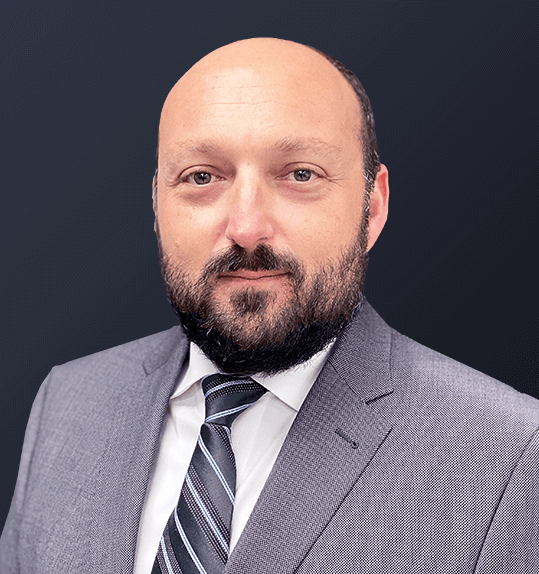
Robert B. Vaksman, Esq.
Partner
“Some cases are easier than others, but this doesn’t matter at Vaksman Khalfin, because we have the resources to help our clients no matter what is at stake, especially if it’s hard."
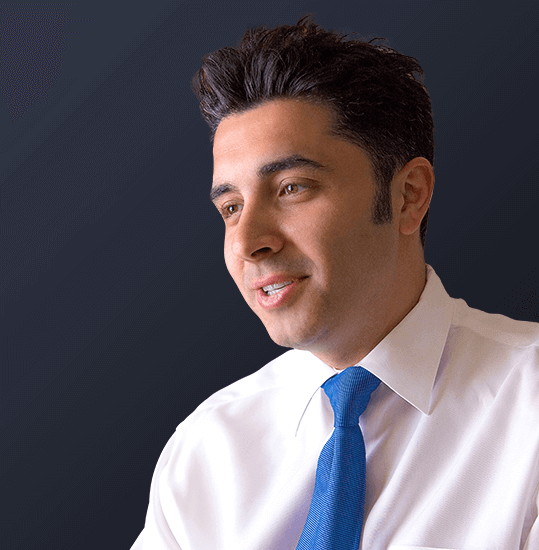
ALAN D. KHALFIN, ESQ.
Partner & Managing Attorney
"People call me when they need to plan, but also when something terrible has happened and they need help. It is personal to my clients, so it is personal to me. We have to help: no matter what."