
California
Real Estate Attorney

California real estate law reaches further than most people expect. It decides what you can build, who owns what and with what protection, what a seller has to tell you, when a deposit is at risk, how long a builder stays liable, and what a landlord may charge a tenant.
Vaksman Khalfin handles the transactions and the disputes, for owners, buyers and sellers, developers, landlords, and business tenants. This page maps the practice, sets out the timing rules side by side, and points to the right area. Our office is in San Mateo. For a free consultation, call 877-780-4727.
Leasing
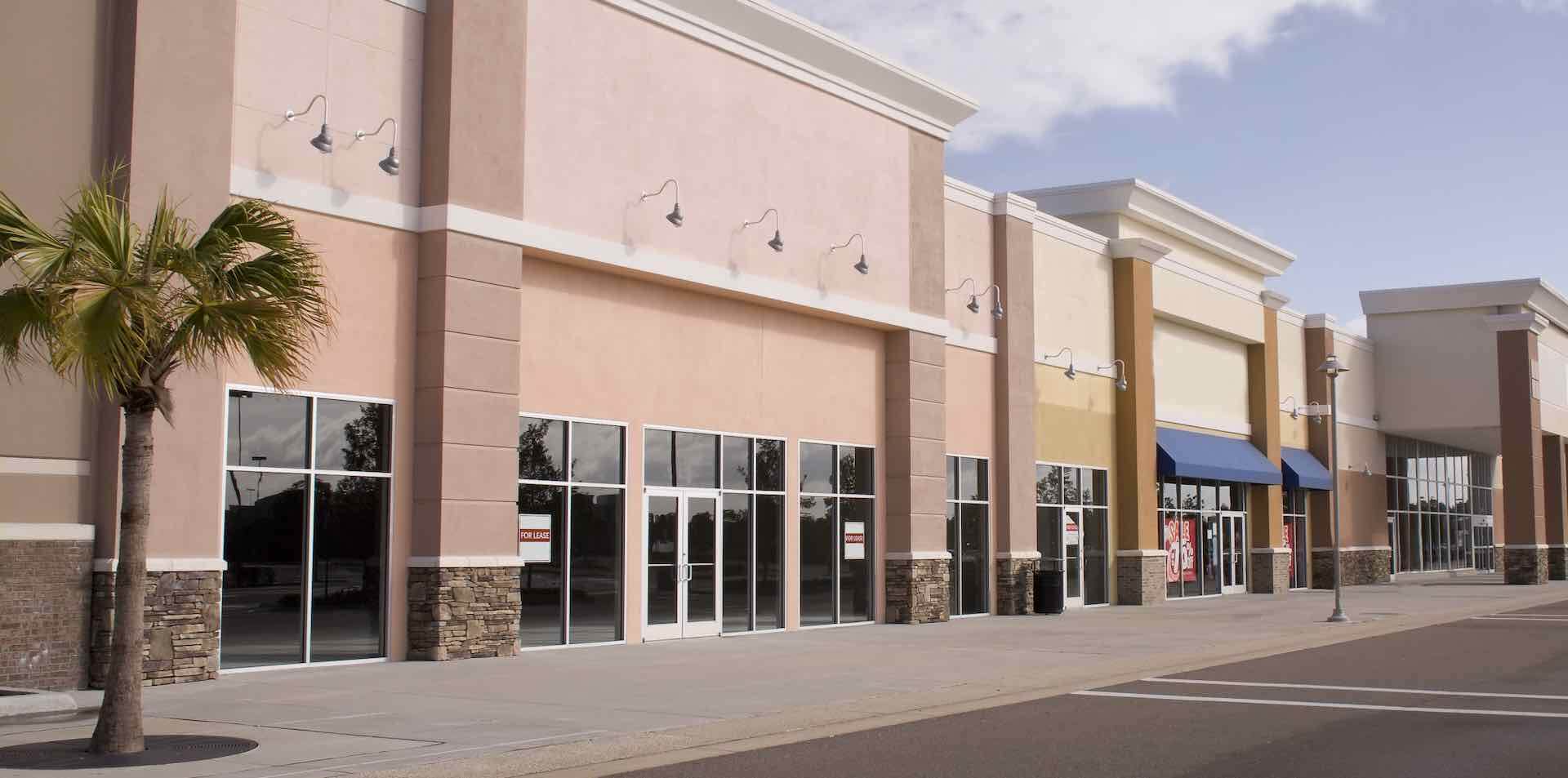
Commercial, multi-tenant, and industrial lease review, negotiation, drafting, and enforcement for landlords and business tenants across California.

Landlord / Tenant
Commercial and industrial landlord-tenant work: leases and transactions on the front end, defaults, CAM fights, and commercial evictions when it turns. Nothing residential.

TIC Agreements
Tenant in common agreements drafted and reviewed: shares, occupancy, exits, and what happens when an owner dies or wants out.
Construction Defect Litigation
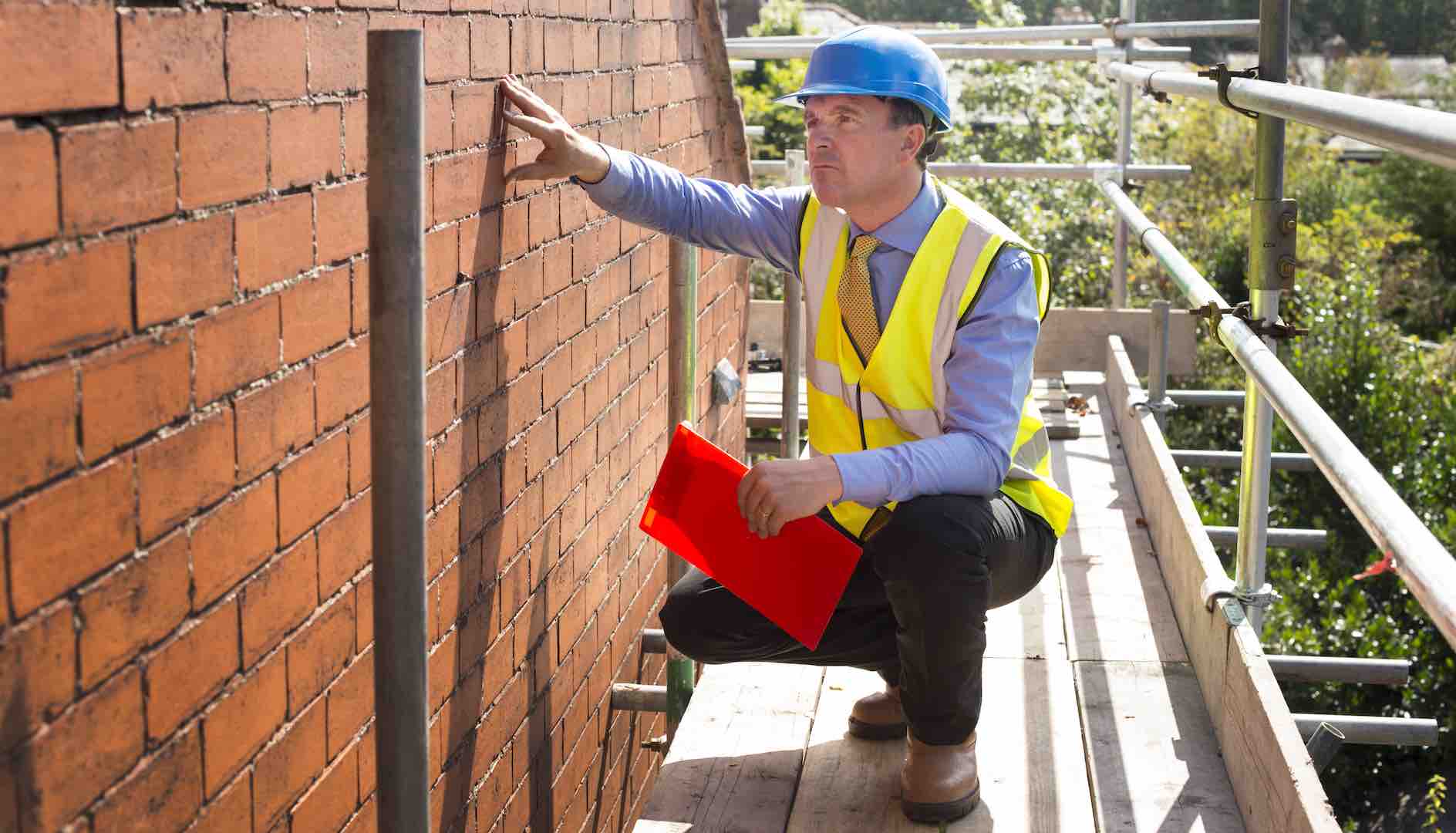
Construction defect claims and defense for homeowners, developers, contractors, and subcontractors, under the Right to Repair Act and beyond.
Purchase and Sale
Residential, commercial, and industrial purchase and sale transactions: contracts, disclosures, title, and broker-less deals run end to end.
Land Use
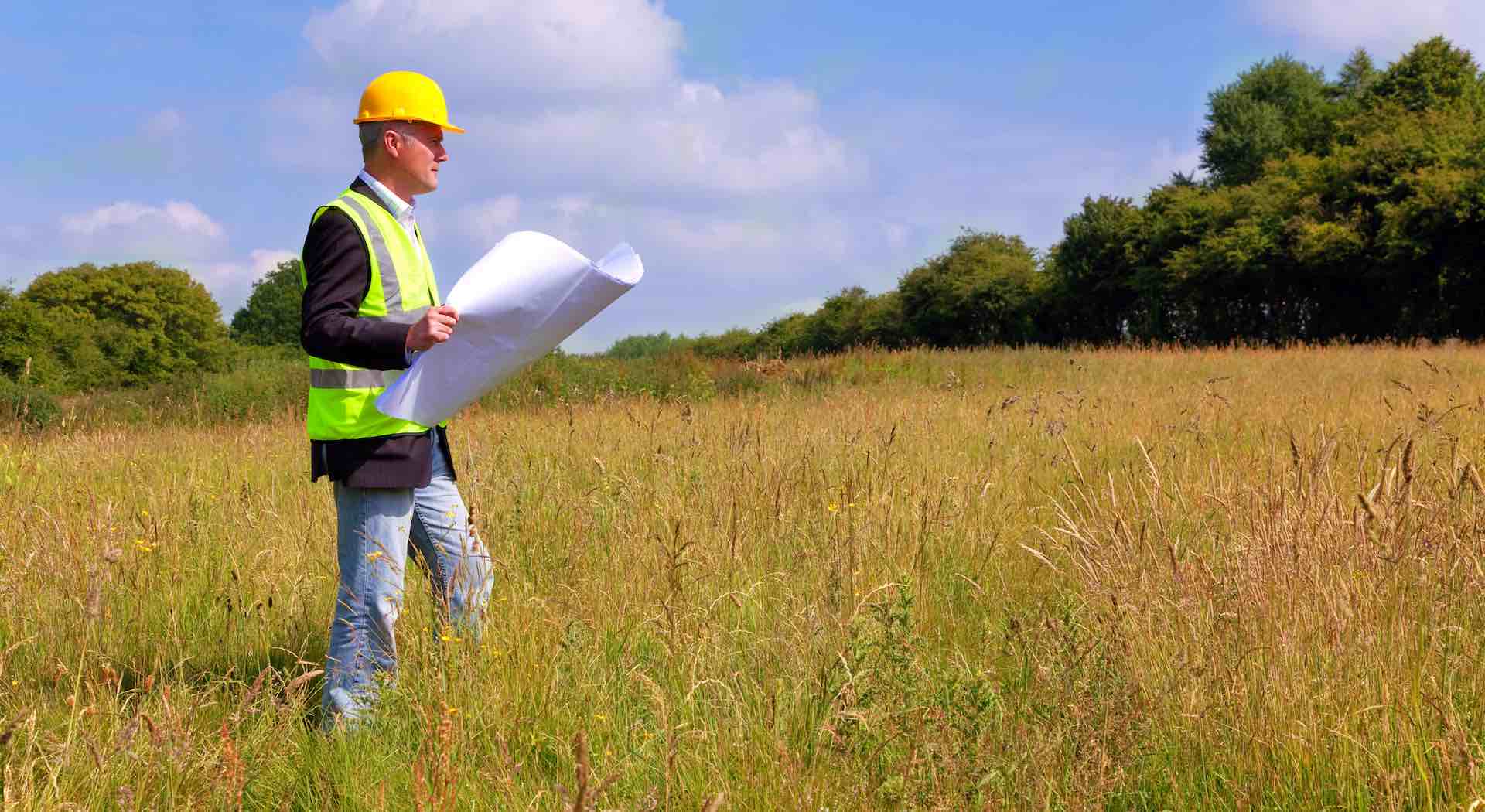
Zoning, permits and entitlements, easements, title clearance, and CEQA review for California owners, developers, and neighbors.
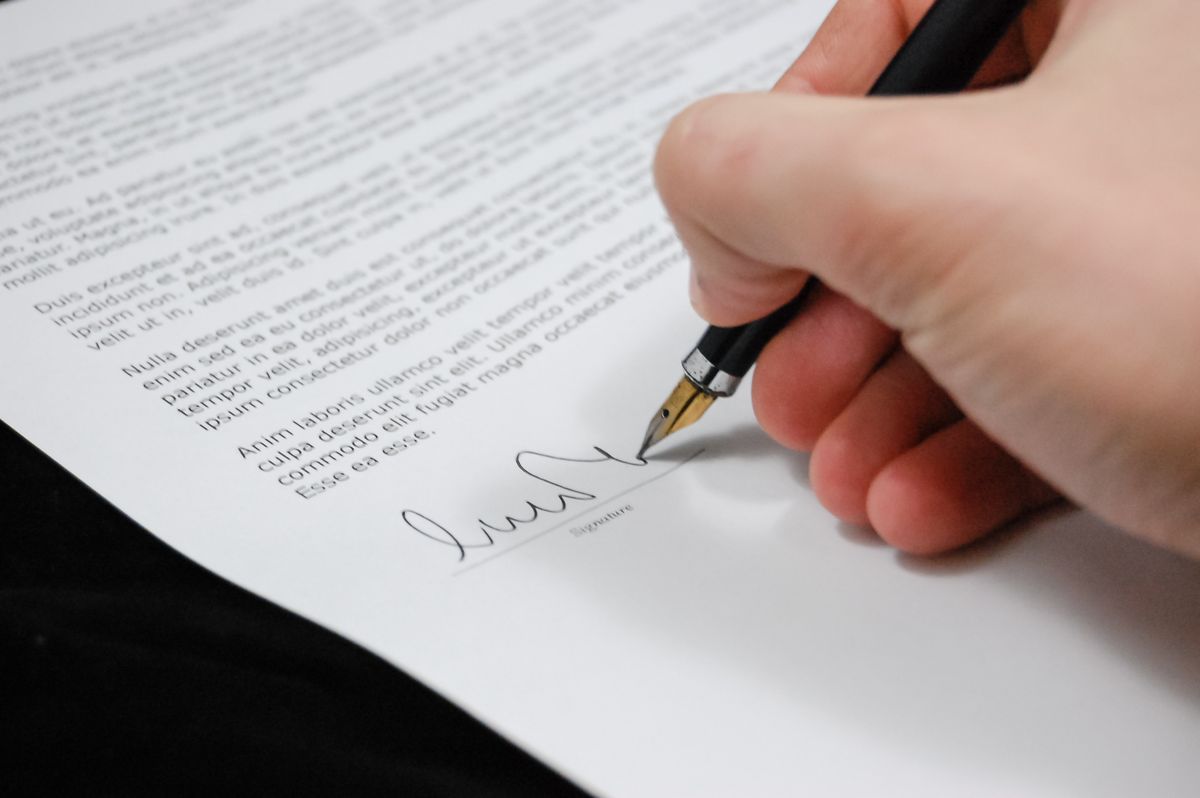
Deeds
Grant, quitclaim, interspousal, trust transfer, and TOD deeds: prepared, reviewed, recorded, and fixed, in step with your estate plan.
Do You Need a Real Estate Attorney in California?
California does not require one. Most routine sales close through escrow with brokers on both sides, and most deeds are recorded without a lawyer. An attorney earns their place where the deal or the property is not routine: no broker, seller financing, commercial or industrial property, disclosure or condition problems, a title surprise, a defect claim, a zoning or ADU question, or a commercial lease. The common thread is that the consequences of getting it wrong arrive years later, at a sale, a build, or a death.
Key Takeaways
- The deed type controls what promises come with a transfer — and a transfer on death deed carries none.
- A liquidated damages amount at or below 3 percent of the purchase price is presumed valid; above it, presumed invalid.
- A latent construction defect is barred ten years after substantial completion, however late it was discovered.
- Every commercial lease must carry a CASp disclosure, and skipping the 48-hour rule creates a rescission right.
- California’s ADU statutes were renumbered to Government Code sections 66310–66342, so older section references are stale.
Which Area Fits Your Situation?
| What you are dealing with | Where to start |
| Buying or selling property, or closing without a broker | Purchase and sale |
| Transferring title, funding a trust, adding or removing someone from a deed | Deeds |
| Zoning, permits, an ADU, an easement, or a project approval | Land use |
| Water intrusion, foundation movement, or other build quality problems | Construction defect |
| Signing, negotiating, or exiting a commercial lease | Commercial leasing |
| A dispute with a commercial landlord or tenant, or an eviction | Commercial landlord-tenant |
We handle commercial and industrial landlord-tenant matters only. We do not take residential landlord-tenant work, for either side.
The Six Areas
Purchase and Sale
The purchase agreement controls everything that follows; escrow only carries out what it says. California requires sellers of most residential property to deliver a statutory disclosure package under the Civil Code section 1102 framework, and incomplete disclosure is the seed of most post-closing lawsuits. How you take title at closing is an estate planning decision as much as a closing detail. See purchase and sale.
Deeds
A grant deed carries two implied covenants under Civil Code section 1113 — no prior conveyance, and freedom from encumbrances the grantor created — and those covenants can be sued upon as if written into the deed. A quitclaim makes no promises at all, and a revocable transfer on death deed transfers without covenant or warranty of title. See deeds.
Land Use
Zoning and the general plan decide what a property can be used for; permits and entitlements decide what you can build. Many projects pass through environmental review under CEQA. California’s ADU statutes now sit at Government Code sections 66310 through 66342, where section 66314 sets the maximum standards a city may impose. See land use.
Construction Defect
Newly built homes sold on or after January 1, 2003 fall under the Right to Repair Act at Civil Code sections 895 through 945.5, which sets building standards and requires notice to the builder with a chance to repair before most lawsuits. Outside the Act, patent and latent defects run on very different clocks. See construction defect.
Commercial Leasing
The rent number is rarely where a lease goes wrong — operating costs, escalations, guaranties, and restoration obligations decide the real cost. Every California commercial lease must carry a Certified Access Specialist disclosure under Civil Code section 1938. See commercial leasing.
Commercial Landlord-Tenant
Since January 1, 2025, small “qualified commercial tenants” have statutory protections on rent-increase notice, termination, and operating-cost pass-throughs that cannot be waived by contract. Commercial evictions run through the unlawful detainer process, never through self-help. See commercial landlord-tenant.
The Timing Rules, Side by Side
Real estate deadlines vary enormously by subject, and there is no single real estate clock. These are general rules; particular facts can change them.
| Situation | General rule |
| Liquidated damages on a failed residential purchase | At or below 3 percent of the purchase price, presumed valid; above 3 percent, presumed invalid — Civil Code section 1675, for dwellings of four or fewer units the buyer intended to occupy |
| CASp report before a commercial lease | Must be provided at least 48 hours before execution, or the tenant may rescind for 72 hours after; compliance certificate due within seven days of execution — Civil Code section 1938 |
| Responding to a commercial unlawful detainer | 10 days excluding weekends and judicial holidays, up from five since January 1, 2025 — Code of Civil Procedure section 1167 |
| ADU permit application | The agency must approve or deny within 60 days of a completed application where a dwelling already exists on the lot |
| Patent construction defect | Four years from substantial completion — Code of Civil Procedure section 337.1 |
| Latent construction defect | Ten years from substantial completion, regardless of discovery — Code of Civil Procedure section 337.15, a statute of repose |
| Right to Repair Act component claims | Component-specific periods from close of escrow, as short as one year, with a ten-year default under Civil Code section 941(a) |
| Revocable transfer on death deeds | The governing statute is operative until January 1, 2032 |
Two of these are worth reading twice. Section 337.15 is a statute of repose, so a latent defect found in year eleven is generally barred even though nobody could have found it sooner. And the shortest applicable period controls where more than one framework reaches the same problem — a common situation when a defect claim, a disclosure claim, and a contract claim all arise from the same house.
When You Need a Lawyer, and When You Do Not
Being straight about this matters more in real estate than in most practice areas, because so much of it can be done without one.
Often fine without a lawyer: a routine listed sale with brokers on both sides; a simple deed between people who trust each other, with clean title and no tax consequences; a short residential lease.
Usually worth one: any transaction without a broker; seller financing or unusual terms; commercial and industrial property of any kind; a title exception nobody can explain; a disclosure or condition dispute; a build or use question that turns on the local code; a defect that may be running against a deadline; and any commercial lease of real length or rent.
The risk in real estate is rarely the paperwork on the day. It is the instrument chosen, the term accepted, or the deadline missed — and those surface at the next sale, the next build, or a death, when the cheap fix has passed.
Real Estate on the Peninsula
Our office at 15 North Ellsworth Avenue, Suite 105, San Mateo, CA 94401 works with owners, buyers and sellers, developers, and commercial landlords and tenants across the Peninsula. Civil matters for this county are generally heard in the San Mateo County Superior Court, and deeds record with the recorder for the county where the property sits.
Three local conditions recur across all six areas. Values make structural mistakes expensive: a reassessment triggered by a poorly structured transfer is a permanent annual cost, and 3 percent of a Peninsula purchase price is a substantial deposit. Soils and older building stock mean settlement, drainage, and accessibility questions come up more here than the statewide mix would suggest — and settlement problems are latent defects, on the ten-year clock. And the small-business tenant profile in the downtowns and along El Camino Real matches the 2025 qualified commercial tenant categories closely, so landlord forms written before 2025 frequently do not account for them.
Details about the office are on our San Mateo page.
How We Help
We draft and negotiate the documents — purchase agreements, deeds, leases, easements, and amendments — and we litigate what those documents produce when a deal or a building goes wrong. Because the same firm does both, we read a contract with an eye to how its terms will operate under pressure.
Real estate work connects to the rest of the firm: trust and estate where vesting and succession are in play, business law where an entity holds the property, and civil litigation where a dispute has to be tried.
The practice is led by Alan D. Khalfin and Robert B. Vaksman. Not sure which area fits? Start with a conversation. Call 877-780-4727. The consultation is free.
This page provides general information about California law and is not legal or tax advice; reading it or contacting the firm does not create an attorney-client relationship. Real estate statutes are amended frequently and should be confirmed against current text and any applicable local ordinance. Every situation is different, and prior results do not guarantee a similar outcome.
Reviewed by Alan D. Khalfin, Partner and Managing Attorney, Vaksman Khalfin, PC (admitted in California). Last reviewed: 08/28/2026

Frequently Asked Questions
Not as a legal requirement. Most routine sales close through escrow and most deeds record without one. An attorney earns their place where the deal is not routine — no broker, seller financing, commercial property, a disclosure or title problem, a defect claim, a land use question, or a commercial lease of any real length.
Escrow is neutral and follows instructions; it does not negotiate the agreement or advise on how to take title. A broker is not permitted to give legal advice. An attorney negotiates the terms, reviews title and disclosures, prepares deeds and closing documents, and advises on the consequences that outlast the deal.
Purchase and sale, deeds, land use and zoning, construction defect, commercial leasing, and commercial landlord-tenant. Each has its own page setting out the applicable rules and deadlines. We do not handle residential landlord-tenant matters, for either side.
It usually turns on the contingency record and Civil Code section 1675. An amount at or below 3 percent of the purchase price is presumed valid as liquidated damages; above 3 percent it is presumed invalid unless the party seeking to uphold it proves reasonableness. The rule applies only to dwellings of four or fewer units the buyer intended to occupy.
Four years for a patent defect and ten years from substantial completion for a latent one, under Code of Civil Procedure sections 337.1 and 337.15. For homes covered by the Right to Repair Act, component-specific periods run from close of escrow — some as short as one year — with a ten-year default under Civil Code section 941(a).
Civil Code section 1938 requires every California commercial lease to state whether the premises have been inspected by a Certified Access Specialist. Where a report exists and is not provided at least 48 hours before signing, the tenant may rescind for 72 hours after execution.
Government Code sections 66310 through 66342. The provisions were moved out of section 65852.2 and related sections, so material citing the old numbers is out of date — which matters when you are relying on it with a planning department.
Usually. A corrective deed handles most errors — wrong names, a bad legal description, incorrect vesting. Where the mistake is contested or someone else now claims an interest, the remedy may be a quiet title action instead.
Yes, in commercial and industrial matters, though never on both sides of the same dispute. We screen for conflicts before taking any engagement. Working both sides means knowing how the other one thinks about the lease.
It depends on scope. Deed preparation and pre-signature lease review are defined, contained engagements. Negotiating a transaction, prosecuting a defect claim, or running an eviction is broader. We discuss the fee before any work begins, and the first conversation is free.