
The aftermath of a motorcycle crash can be overwhelming, making it vital to have a skilled motorcycle accident lawyer on your side. Navigating insurance claims, determining liability, collecting evidence, and pursuing fair compensation are complex tasks that require specific expertise.
A California motorcycle accident lawyer understands the unique nuances of motorcycle laws, injury implications, and the tactics insurance companies use. They can effectively advocate for your rights, ensuring you receive the compensation you deserve for your injuries, damages, and emotional suffering.
California Motorcycle Accident Lawyers: Advocates for Your Legal Rights
At Vaksman Khalfin, PC we recognize the challenges faced by those affected by motorcycle accidents. As seasoned motorcycle accident lawyers in California, we offer more than just legal representation. We extend a guiding hand and unwavering support to navigate the complexities of the legal process during this challenging time. Our commitment is to stand by our clients, ensuring their voices are heard and their rights protected.
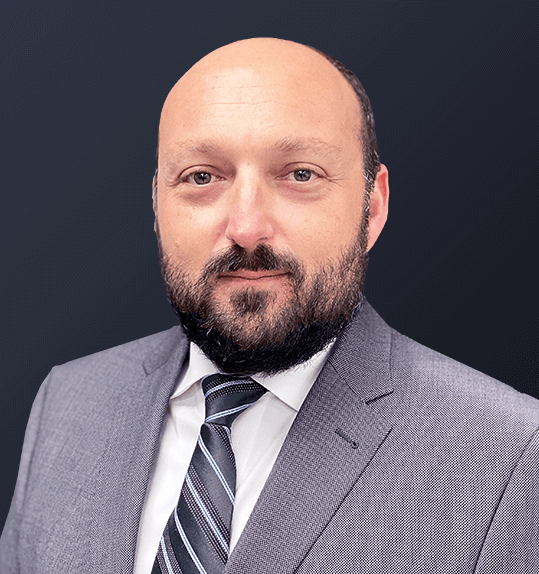
Robert B. Vaksman, Esq.
Founding Partner
“Some cases are easier than others, but this doesn’t matter at Vaksman Khalfin, because we have the resources to help our clients no matter what is at stake, especially if it’s hard."
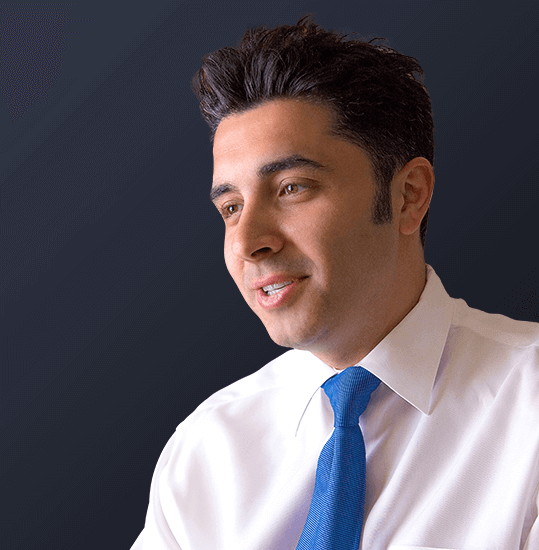
ALAN D. KHALFIN, ESQ.
Partner & Managing Attorney
"People call me when they need to plan, but also when something terrible has happened and they need help. It is personal to my clients, so it is personal to me. We have to help — no matter what."
When To File A Motorcycle Accident Claim
Being involved in a motorcycle accident can be a traumatic and distressing experience, often resulting in physical injuries, emotional distress, and financial burdens. After an accident, many individuals may feel overwhelmed and unsure about whether to file a claim or seek legal representation. However, understanding the significance of filing a motorcycle accident claim and the advantages of hiring a motorcycle injury attorney can profoundly impact the outcome of your case.
Filing a Motorcycle Accident Claim – Your Path to Fair Compensation and Judge
1. Protecting Your Rights and Interests:
Filing a motorcycle accident claim promptly is crucial to protect your legal rights and interests. Time is of the essence, as there are strict deadlines, known as statutes of limitations, that dictate how long you have to file a claim after an accident. Failure to adhere to these time constraints might result in forfeiting your right to seek compensation.
2. Preserving Evidence and Information:
Initiating a claim promptly allows for the preservation of crucial evidence and information. Evidence such as witness statements, accident reports, photographs of the scene, and medical records are vital in establishing fault and proving the extent of damages. A delay in filing a claim might lead to the loss or degradation of essential evidence.
3. Access to Compensation for Damages:
Filing a claim enables you to seek compensation for various damages incurred due to the accident. This compensation encompasses medical expenses, rehabilitation costs, lost wages, property damage, pain and suffering, and other losses you’ve endured as a result of the accident.
The Benefits of Hiring a Motorcycle Accident Lawyer:
Seeking legal representation from a skilled motorcycle accident attorney can significantly benefit you in several ways. The following are some of the most important benefits of retaining a motorcycle accident attorney:
- The Attorney-Client privilege
- Attorney-Client Confidentiality
- Understanding your right to appeal in specific circumstances
- Having an objective advocate who can help you see things from a different perspective
A California motorcycle accident attorney will be able to provide you with a clear understanding of the legal options available to you. However, it is up to you to make the decision to file a civil complaint. Having an attorney on your side will enable you to make better decisions regarding your own legal rights and the legal rights of others.
Navigating Complex Legal Procedures
Dealing with insurance companies and legal procedures can be daunting and complex. A knowledgeable motorcycle accident attorney specializes in handling motorcycle accident cases while also understanding the intricacies of the legal system. They streamline the process, handle paperwork, and advocate for your best interests, relieving you of the burden of handling every aspect of your case.
Determining Liability and Establishing a Strong Case
Experienced lawyers conduct thorough investigations to determine which party or parties may be liable. They gather evidence, analyze the circumstances of the accident, and develop a strong case strategy on your behalf. This includes identifying negligent parties and demonstrating their liability for your injuries and damages.
Maximizing Compensation
Motorcycle accident lawyers strive to maximize your compensation. They have the expertise to assess the true extent of your losses, including future expenses and intangible damages such as pain and suffering. Their negotiation skills are invaluable in pursuing fair and just compensation.
Representation in Legal Proceedings
In the event that your case progresses to trial, having a lawyer by your side provides representation and advocacy in court. Their courtroom experience and legal acumen are essential in presenting a compelling case to secure the best possible outcome. Understanding the rules of civil procedure and how to present evidence is critical during a civil trial.
California Motorcycle Accident Attorney – Advocate for Your Rights
Filing a motorcycle accident claim promptly and enlisting the support of a seasoned motorcycle accident lawyer is critical if you want to seek financial compensation for your injuries. A skilled lawyer becomes your ally, guiding you through the legal complexities, advocating for your rights, and striving for a favorable resolution to alleviate the burdens imposed by the accident.
At Vaksman Khalfin, PC, we are dedicated to providing compassionate and effective legal representation to motorcycle accident victims. Contact us today to discuss your case and take the first step towards securing the justice and compensation you deserve.

What To Do After a Motorcycle Accident: A Step-By-Step Guide
After a motorcycle accident, follow these essential steps:
Ensure Safety: Check yourself and others for injuries. Move to a safe location away from traffic if possible to prevent further accidents.
Call Authorities: Contact law enforcement immediately and file an accident report. Obtain a copy of the report for your records.
- Gather Information: Exchange details with all involved parties, including names, contact information, insurance details, and vehicle registration numbers. Document the accident scene with photographs or videos.
- Obtain Witness Statements: Collect witness information and statements if there were bystanders or witnesses to the accident.
- Limit Discussion of Accident Details: Refrain from admitting fault or discussing details of the accident beyond providing factual information to law enforcement.
- Seek Medical Attention: Even if injuries seem minor, seek medical evaluation promptly. Document all injuries and medical treatment received.
- Preserve Evidence: Maintain records of medical treatment, expenses, and keep physical evidence related to the accident, such as damaged gear and your motorcycle.
- Notify Your Insurance Company: Report the accident to your insurance company without admitting fault. Follow their procedures for filing a claim.
- Consult a Motorcycle Accident Attorney: Seek legal counsel from an experienced attorney specializing in motorcycle accidents to guide you through the claims process and protect your rights.
- Document and Follow Up: Keep detailed records of all accident-related correspondence, medical bills, repair estimates, and follow medical advice for treatment and recovery.
Following these steps after a motorcycle accident can help safeguard your well-being, gather crucial evidence, and lay the foundation for a successful insurance claim or legal action. Seeking prompt medical attention and legal guidance is crucial to protect your rights and ensure proper support during this challenging time.
What You Can Expect

Free Consultation
At Vaksman Khalfin, we value transparency and offer a free initial consultation. We’ll assess your case, outline achievable outcomes, and chart a probable course of action without any financial obligation on your part.

EXCEPTIONAL ATTORNEYS AND CASE MANAGERS
Our goal is for each client to have an opportunity to secure their estate. That is why your Vaksman Khalfin journey begins with a no-obligation free confidential consultation. This free session provides an opportunity to understand your unique needs, discuss your concerns, and establish how we can assist you towards achieving your estate planning goals.

YOU ONLY PAY US IF WE REACH A SETTLEMENT
Your satisfaction is our utmost priority. Our payment structure follows a, "No win, no fee," policy. Our policy guarantees our fees are contingent on a successful outcome for your case.

MEDICAL PROVIDERS WON’T RECEIVE PAYMENT UNTIL WE FINALIZE YOUR CASE
We believe in a complete and fair resolution of your case before medical providers get paid. At Vaksman Khalfin, your medical needs are our top priority. Our focus remains on achieving the best outcome for your case.
How It Works
Complimentary consultation
We provide you with a complimentary consultation with regard to your matter. If we're mutually interested to work with each other, you will sign an engagement agreement, after which we will get started. Remember, we don't get paid unless and until you get paid.

Working with a Legal team
Our legal team will work with you and your medical providers to ensure that you are effectively treated, as best as medically possible and necessary. Afterward, we serve a pre-litigation demand and negotiate with the defendant. If we don't get what we believe you are owed, we consider going to court.
We will fight for you
If pre-litigation efforts fail we will strive to carry your case to court. This may take a while, but it will ensure that you get what you deserve. However, if your case involves a highly technical area, then we may co-counsel with specialists who can benefit your case.
Understanding Motorcycle Accident Law in California
California’s laws regarding motorcycle accidents encompass various elements that influence how cases are handled, liability is determined, and compensation is sought. Here’s an in-depth exploration:
1. Comparative Fault System
California operates under a comparative fault system when determining liability in accidents. This means that even if the injured party shares a portion of the fault, they can still seek compensation. However, the compensation amount may be reduced by the percentage of their fault. Understanding this comparative fault principle is crucial, especially in cases where multiple parties share responsibility for the accident.
2. Determining Liability
Establishing liability is pivotal in a motorcycle accident case. California follows a negligence-based system to determine fault. Negligence involves proving that another party breached their duty of care, leading to the accident and resulting injuries. Factors such as reckless driving, failure to yield, distracted driving, or violating traffic laws might contribute to establishing negligence.
3. Motorcycle-Specific Laws
California has specific laws that pertain to motorcycles, including helmet laws, lane-splitting regulations, and equipment requirements. These laws play a significant role in determining fault and liability in a motorcycle accident. Understanding these laws is vital for both riders and legal representatives to assess how they might impact the case.
4. Statute of Limitations
In California, there is a statute of limitations that sets a time limit for filing a lawsuit after a motorcycle accident. Typically, injured parties have a limited period, usually two years from the date of the accident, to initiate legal proceedings. Failing to adhere to these time constraints can result in the loss of the right to seek compensation.
5. Insurance Requirements
California law mandates that all motorists, including motorcycle riders, carry liability insurance. Understanding insurance coverage, policy limits, and how insurance companies operate is crucial in negotiating with insurers for fair compensation. A seasoned motorcycle accident attorney possesses the expertise to navigate insurance complexities and protect the client’s interests.
6. Legal Representation
Given the complexities of motorcycle accident law in California, seeking legal representation from a knowledgeable and experienced attorney is paramount. A skilled attorney specializing in motorcycle accidents comprehensively understands these laws, knows how to navigate legal intricacies, and can craft a strong case to protect the injured party’s rights and pursue fair compensation.
Conclusion: Expertise is Key
Understanding the intricacies of motorcycle accident law in California requires a deep comprehension of state-specific regulations, liability determination, and legal procedures. Navigating these complexities demands the expertise of a dedicated motorcycle accident attorney who can interpret the law, advocate for the injured, and ensure that their rights are protected throughout the legal process.
Helmet Laws Comparative Negligence
California Vehicle Code Section 27803 states that all drivers and passengers on roadways in California must wear safety helmets while operating motorcycles and motorized bicycles. No matter the individual’s age, it is against the law in California for a person to ride a motorcycle without wearing a safety helmet.
Motorcyclists who ride without wearing helmets may be cited for a traffic violation. The maximum fine for violating this motorcycle helmet law is $250. Motorcyclists who violate other laws while not wearing a safety helmet may face add-on fines and penalties.
Comparative Negligence
Comparative negligence is an important concept to understand if you want to analyze motorcycle accident cases in California. California is a pure comparative negligence state, which means that the injured party may be assigned a percentage of fault related to the plaintiff’s injuries. Essentially, if you are partially negligent as an accident victim in California, then your overall recovery may be reduced in proportion to your degree of fault.
Judges will apply these principles during individual civil lawsuits. If you assert legal claims against a defendant, it is important to remember that you put yourself at risk of having counterclaims filed against you. Therefore, you should consider speaking to a California motorcycle accident lawyer today.
Injury Severity and Compensation Claims
The nature of the motorcycle accident victim’s injuries will influence the total damages amount claimed in the civil lawsuit. Severe injuries may be treated, but patients typically must undergo multiple surgeries to recover from their injuries. Surgical procedures can increase the overall damages amount in a civil lawsuit.
The injuries you suffer may be psychological and emotional. Injured motorcycle accident victims seek general damages when they seek compensation for the psychological distress they suffered.
A California motorcycle accident attorney can help you understand how to ascertain the correspondence between the injuries you suffered and the total amount you should claim as damages. Understanding how courts assess damages is essential for efficient case strategy and case management.
Visibility and Road Sharing Laws
Road sharing laws are prevalent throughout the State of California. These policies are designed to protect life and reduce the likelihood that individuals will suffer serious bodily injuries. However, motorcyclists are some of the most vulnerable travelers along roadways in the State of California. Due to California’s population, the prevalence of distracted driving, and atypical weather conditions at higher elevations, motorcycle accidents often occur when a driver does not see a motorcyclist.
Motorcycle Accident Statistics
Motorcycle deaths accounted for 14 percent of all motor vehicle crash deaths in 2021 and were nearly triple the number of motorcyclist deaths in 1997 according to Insurance Institute for Highway Safety. Statistics concerning motorcycle accidents in California paint a stark picture of their frequency and severity. These figures underscore the urgent need for heightened safety measures and informed legal action following such incidents. Being cognizant of these statistics can empower individuals to take proactive steps towards safer riding practices and legal preparedness.
Common Types of Damages Sought and Awarded
Motorcycle accident injury attorneys diligently pursue both economic and non-economic damages for their clients. Economic damages cover tangible losses like medical expenses, lost wages, and property damage repairs. On the other hand, non-economic damages encompass intangible losses, including pain and suffering, emotional distress, and diminished quality of life.
Common Causes of Motorcycle Accidents
Motorcycle crash attorneys pinpoint various contributing factors leading to accidents. These include driver negligence, distracted driving, failure to yield, road hazards, and other external factors. Identifying these causes sheds light on preventive measures and liability determination.
Driver Negligence:
- Distracted driving (e.g., texting, talking on the phone)
- Failure to check blind spots or mirrors
- Speeding or reckless driving
- Tailgating or improper lane changes
- Driving Under the Influence
Vehicle Interactions:
- Cars making left-hand turns in front of oncoming motorcycles
- Sudden stops or unexpected maneuvers by other vehicles
- Vehicles merging into the same lane as a motorcycle without proper awareness
Road Hazards:
- Poor road conditions (potholes, uneven surfaces, debris)
- Weather-related factors (rain, snow, slippery roads)
- Unexpected obstacles on the road (animals, objects)
Driver Inexperience or Lack of Skill:
- Inadequate motorcycle handling or control
- Lack of proper training or riding experience
- Overestimating personal riding abilities
Types of Injuries Caused in Motorcycle Accidents
The aftermath of a motorcycle accident can result in a broad spectrum of injuries, varying from minor bruises to life-altering injuries like traumatic brain injuries, spinal cord damage, fractures, and severe road rash. Immediate medical attention and comprehensive legal support from experienced motorcycle accident injury lawyers are imperative in such scenarios.
Types of Motorcycle Accident Injuries
Motorcycle accidents often result in a wide spectrum of injuries due to the exposed nature of riders and the relative lack of protection compared to occupants of enclosed vehicles. The severity of injuries can vary significantly, ranging from minor cuts and bruises to life-altering and catastrophic injuries. Here’s an in-depth look at the types of injuries commonly caused in motorcycle accidents:
1. Head and Brain Injuries
- Traumatic Brain Injuries (TBI): Severe blows to the head can lead to concussions, brain contusions, or more critical traumatic brain injuries. These injuries may result in cognitive impairments, memory loss, or even permanent brain damage.
- Skull Fractures: Impact to the head can cause fractures or breaks in the skull, necessitating immediate medical attention and potential surgery.
2. Spinal Cord Injuries:
- Spinal cord injuries are capable of causing both long-term and short-term disability. Unfortunately, severe spinal cord injuries affect every area of a victim’s life.
- Herniated Discs or Spinal Cord Compression: Injuries to the spine may result in herniated discs, causing pain, numbness, or weakness in affected areas.
3. Limb Injuries:
- Fractures and Bone Breaks: Motorcycle accidents often lead to fractures in arms, legs, wrists, or hips due to the impact with the ground or other vehicles.
- Amputations: Severe accidents may necessitate amputation of limbs due to extensive injuries or irreparable damage.
4. Road Rash and Skin Injuries:
- Road Rash: Abrasions and lacerations caused by sliding on the road surface after being thrown off a motorcycle. These injuries can range from minor scrapes to severe skin damage requiring extensive surgical procedures such as skin grafts.
- Soft Tissue Injuries: Damage to muscles, tendons, and ligaments, resulting in strains, sprains, or tears.
5. Internal Injuries:
- Internal Bleeding: Impact trauma can cause internal bleeding, which might not be immediately evident. Internal injuries to organs such as the liver, spleen, or kidneys can be life-threatening if not promptly treated.
- Organ Damage: Injuries sustained in a motorcycle accident can lead to damage to internal organs, requiring surgical intervention and long-term medical care.
6. Psychological Trauma:
- Post-Traumatic Stress Disorder (PTSD): Survivors of motorcycle accidents may experience psychological trauma, including anxiety, depression, or PTSD, which can have long-lasting effects on mental health and well-being.
Understanding the diverse range of injuries resulting from motorcycle accidents underscores the critical importance of immediate medical attention, ongoing rehabilitation, and comprehensive legal support for victims.
Seeking timely medical care and legal guidance is imperative to address injuries effectively and pursue rightful compensation for the physical, emotional, and financial toll caused by these accidents. Motorcycle safety is integral to protecting cyclists and the public.
How To Choose A Motorcycle Accident Law Firm
- Experience and Expertise: Look for motorcycle injury lawyers with specialized experience in handling motorcycle accident cases. Assess their track record, years of practice, and success rate in securing favorable outcomes for clients.
- Reputation and Reviews: Research the attorney’s reputation within the legal community and among past clients. Check online reviews, testimonials, or peer ratings to gauge their credibility and professionalism.
- Communication and Personalized Attention: Seek an attorney who prioritizes clear communication and provides personalized attention to your case. They should be accessible, responsive, and willing to address your concerns.
- Resources and Support Team: Assess the resources and support team available to the attorney. A dedicated team equipped with the necessary resources can significantly strengthen your case.
- Legal Fees and Transparency: Inquire about the attorney’s fee structure and ensure transparency regarding costs, billing methods, and any potential additional expenses.
For a personalized consultation and expert guidance in your motorcycle accident case, schedule a free consultation with Vaksman-Khalfin. Our experienced team of motorcycle injury lawyers is committed to providing dedicated legal support and advocating for your rights. Contact us today to discuss your case and take the first step towards securing the compensation you deserve.
Contact Vaksman Khalfin, PC Today to Schedule a Free Consultation
Suffering injuries during a motorcycle accident can be one of the most terrible experiences any person can face. Physical pain, financial insecurity, and psychological stress can make victims feel hopeless. However, the best thing you can do is find out more about your legal rights and the options available to you for seeking monetary compensation for your injuries. Contact Vaksman Khalfiin, PC today to schedule a free consultation during which we can discuss the facts of your case.
What Our Clients Say



"I retained Vaksman Khalfin after my car accident. Right away, I knew I was in good hands because communication was clear and fast! They went above and beyond by negotiating my bills, and I ultimately got more than I expected. Thank you!"

"After being in a major accident, I didn’t know what to do. I never had to hire a lawyer, and was nervous about the process. Fortunately, I found Vaksman Khalfin who helped coordinate my medical care and finalize a very fair settlement. Everyone at their law firm was kind, caring and patient with all of my questions."

California Motorcycle Accidents
Frequently Asked Questions
Statistically, motorcycle riders are more vulnerable to accidents compared to drivers of other vehicles. While the percentage varies, studies suggest that the likelihood of a motorcycle accident resulting in injury is higher compared to car accidents.
Statistics indicate that motorcycle accidents have a higher fatality rate compared to other motor vehicle accidents due to the limited protection motorcycles offer. Motorcycle deaths accounted for 14 percent of all motor vehicle crash deaths in 2021 and were nearly triple the number of motorcyclist deaths in 1997 according to Insurance Institute for Highway Safety.
It's advisable not to delay seeking legal representation after a motorcycle accident. Timeliness is crucial in protecting your rights and building a strong case. Waiting too long might result in missed opportunities to gather crucial evidence, speak to witnesses, or meet legal deadlines, potentially weakening your case. Consulting a motorcycle accident lawyer as soon as possible ensures you receive comprehensive guidance and advocacy from the outset.
The compensation amount for a motorcycle accident depends on several factors, including the severity of injuries, medical expenses, lost income, and other damages suffered. An experienced attorney evaluates these factors to estimate the potential compensation.
Immediately after a motorcycle accident, prioritize safety by seeking medical attention and contacting law enforcement. Document the scene, exchange information with involved parties, and avoid admitting fault. Seeking legal counsel promptly is advisable.
After a motorcycle accident, avoid leaving the scene without reporting it to the authorities. Refrain from admitting fault, making statements that could be construed as an acceptance of liability, or discussing the details of the accident extensively with other parties. Additionally, don't neglect seeking medical attention, delaying treatment, or overlooking the documentation of injuries and damages, as these actions can impact the validity of your claim and subsequent compensation. Consulting a lawyer and following their guidance is crucial in protecting your legal rights and ensuring a smoother claims process.
Motorcycle accidents can result from various factors, including driver negligence, distracted driving, speeding, and hazardous road conditions. Determining responsibility often involves a thorough investigation to ascertain liability.
Recovery time varies based on the severity of injuries sustained in a motorcycle accident. Some injuries might require long-term rehabilitation, while others might lead to permanent disabilities. Medical professionals play a crucial role in determining recovery timelines.
After an accident, it's crucial to refrain from admitting fault or making statements that might imply liability. Avoid apologizing or accepting blame, as these statements could be misconstrued and used against you during legal proceedings. Additionally, avoid discussing details of the accident or injuries without consulting a lawyer, as this could inadvertently impact the outcome of your case.