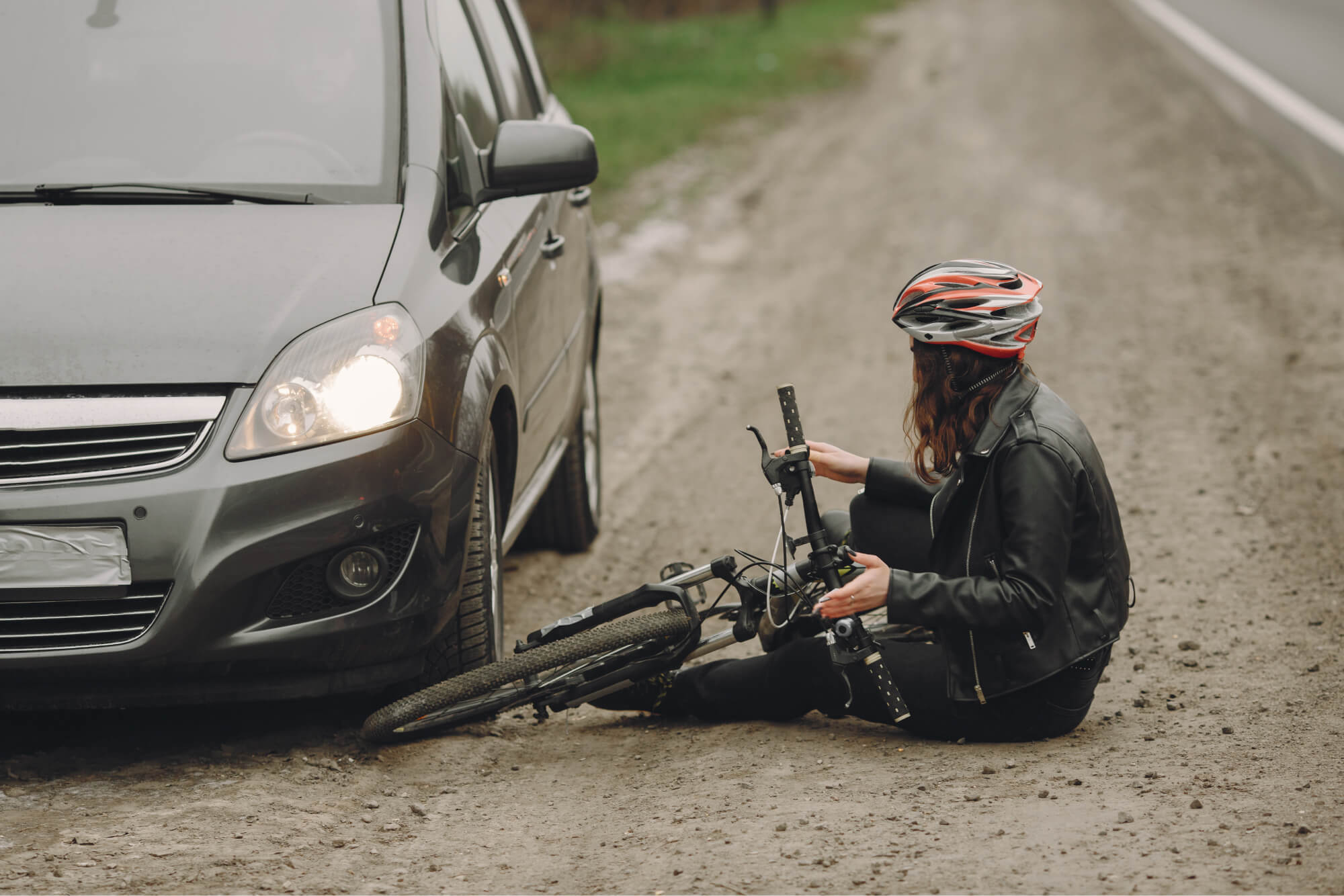
Insurers approach bicycle claims differently from car claims. The arguments tend to start with the cyclist — where they were riding, whether they were wearing a helmet, whether they should have been in the lane at all — rather than with what the driver did. Several of those arguments rest on misunderstandings of what California law actually requires.
This page sets out the statutes that matter: the rights cyclists hold, the passing rule as amended in 2023, where a cyclist is entitled to ride, and who California’s helmet law actually covers. Our California personal injury attorneys handle these claims from our San Mateo office. For a free consultation, call 650-250-0705.
What Are a Cyclist's Rights in California?
Under Vehicle Code section 21200, a person riding a bicycle on a highway has all the rights and is subject to all the provisions applicable to the driver of a vehicle. Since January 1, 2023, section 21760 requires a driver overtaking a cyclist in the same lane to change into another available lane before passing where practicable; where that is not possible, the driver must leave at least three feet and may pass only when it is safe. California’s bicycle helmet requirement in section 21212 applies to riders under 18 — there is no adult helmet requirement.
Key Takeaways
- Cyclists are legally entitled to use the roadway, not merely tolerated on it.
- The passing rule changed in 2023: a lane change is now the primary requirement, with three feet as the fallback.
- Section 21202 lets a cyclist move left or take the lane in several defined circumstances, including to avoid hazards and in lanes too narrow to share.
- No California statute requires an adult cyclist to wear a helmet, though insurers still raise it.
- Most California injury lawsuits must be filed within two years, with a much shorter timeline where a public entity may be involved.
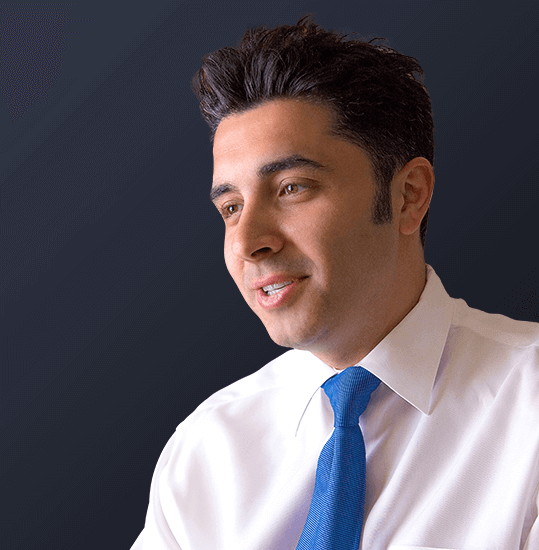
ROBERT B. VAKSMAN, ESQ.
Founding Partner
“Some cases are easier than others, but this doesn’t matter at Vaksman Khalfin, because we have the resources to help our clients no matter what is at stake, especially if it’s hard."
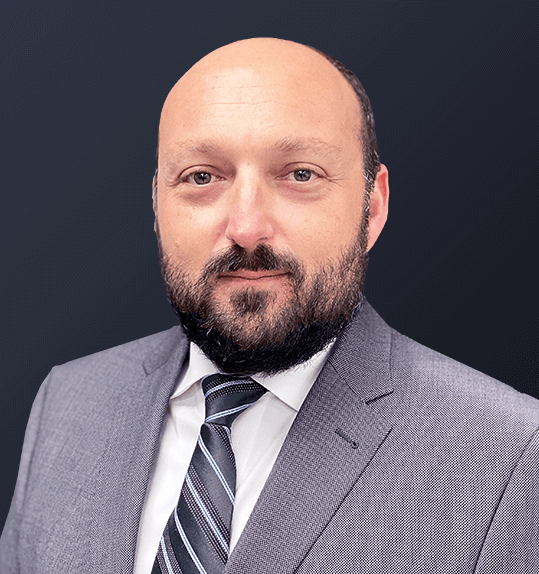
ALAN D. KHALFIN, ESQ.
Partner & Managing Attorney
"People call me when they need to plan, but also when something terrible has happened and they need help. It is personal to my clients, so it is personal to me. We have to help: no matter what."
Learn more about Bicycle Accidents in California
- Bicycle Accident Claim Payouts in California: Why There Is No Average Figure
- Bicycle Accident Injuries: What a California Claim Has to Document
- Bicycle Accident Insurance Coverage: Which Policies Can Pay After a California Crash
- Bicycle Damage After a Collision: Claiming for Your Bike, Helmet, and Gear in California
- Bicycle Fall Injuries With No Car Involved: Road Defects, Product Failures, and Who May Be Responsible
- Bike Accident Insurance Claim: How the Process Works After a California Collision
- Bike Accident Lawsuit in California: The Deadlines and Steps Before You File
- Blamed for Your Own Bicycle Accident? How California’s Comparative Fault Rule Works
- Hit by Car on Bike Settlement: How a California Claim Actually Gets Resolved
- What to Do After a Bike Accident in California: The First Steps That Matter Most
The Passing Rule Changed in 2023
Section 21760 is still titled the Three Feet for Safety Act, but Assembly Bill 1909 amended it effective January 1, 2023, and the amendment reordered what drivers must do:
| Subdivision | What it requires |
|---|---|
| § 21760(b) | A driver overtaking a bicycle must pass at a safe distance that does not interfere with its safe operation, with due regard for the size and speed of both, traffic conditions, weather, visibility, and the surface and width of the highway |
| § 21760(c) | A driver must not pass at less than three feet between any part of the vehicle and any part of the bicycle or its operator — and, where another lane in the same direction is available, must make a lane change into it with due regard for safety and traffic conditions, if practicable and not prohibited by law, before passing |
| § 21760(d) | Where a driver cannot comply with subdivision (c) because of traffic or roadway conditions, they must slow to a reasonable and prudent speed and may pass only when doing so would not endanger the cyclist |
The practical shift is that a lane change is now the expected manoeuvre when a lane is available, the same as passing another car. Three feet operates as a floor when changing lanes is not possible. Material published before 2023 — and a good deal published since — still describes only the three-foot rule, which understates what the statute now requires.
Where a Cyclist Is Entitled to Ride
Section 21202 is the provision insurers reach for when arguing that a cyclist should have been further right. It applies only to a cyclist travelling slower than the normal speed of traffic, and it contains express exceptions. A cyclist may move left or take the lane:
- When overtaking or passing another bicycle or vehicle proceeding in the same direction
- When preparing for a left turn at an intersection or into a private road or driveway
- When reasonably necessary to avoid conditions that make it unsafe to continue along the right-hand edge — including fixed or moving objects, vehicles, bicycles, pedestrians, animals, surface hazards, or substandard width lanes
- When approaching a place where a right turn is authorized
The third exception does a lot of work. A lane too narrow for a bicycle and a vehicle to travel safely side by side is itself a listed condition, as are surface hazards and parked vehicles — which covers the door zone that produces so many urban collisions. A cyclist riding away from the curb is often doing exactly what the statute contemplates.
Similar exceptions apply under section 21208 where a bicycle lane has been established, so leaving a bike lane is not automatically a violation either.
California's Helmet Law Applies to Riders Under 18
Section 21212 provides that a person under 18 years of age must not operate a bicycle, or ride as a passenger, upon a street, bikeway, or public bicycle path or trail unless wearing a properly fitted and fastened bicycle helmet meeting ASTM or CPSC standards. It also covers a child riding in a restraining seat attached to the bicycle or in a towed trailer.
There is no equivalent requirement for adults. This differs from motorcycles, where section 27803 requires a helmet regardless of age — a distinction worth keeping straight, because insurers sometimes blur it.
Adjusters nonetheless raise helmet use against adult cyclists. Where they do, two points matter. Not wearing a helmet is not a statutory violation for an adult, so it cannot be treated as a breach of a legal duty. And helmet use concerns the extent of the harm rather than who caused the collision — a driver who turned across a cyclist’s path is no less responsible for the collision because of what the cyclist was wearing.
Deadlines That May Apply
| Situation | General rule | Source |
|---|---|---|
| Most injury claims against a private party | Two years from the date of injury | Code Civ. Proc., § 335.1 |
| Claims involving a public entity, including road surface conditions and bikeway design | A written claim generally must be presented to the entity before any lawsuit, on a timeline much shorter than the general two-year period | California’s Government Claims Act |
| Uninsured or underinsured motorist claims | Governed by your own auto policy, which may cover you while cycling | Your policy |
The third row surprises people. Uninsured and underinsured motorist coverage on a household auto policy can apply to a cyclist struck by a motor vehicle, which matters in hit-and-run cases and where a driver carries minimum limits. It is worth checking the declarations page even though no car of yours was involved.
What You Can Expect

Free Consultation
At Vaksman Khalfin, we value transparency and offer a free initial consultation. We’ll assess your case, outline achievable outcomes, and chart a probable course of action without any financial obligation on your part.

YOU ONLY PAY US IF WE REACH A SETTLEMENT
Your satisfaction is our utmost priority. Our payment structure follows a, "No win, no fee," policy. Our policy guarantees our fees are contingent on a successful outcome for your case.

EXCEPTIONAL ATTORNEYS AND CASE MANAGERS
A professional attorney with a case manager will be assigned to your case to ensure dedicated service and personalized attention. This loyal team is your consistent point of contact and handles all your concerns personally.
MEDICAL PROVIDERS WON’T RECEIVE PAYMENT UNTIL WE FINALIZE YOUR CASE
We believe in a complete and fair resolution of your case before medical providers get paid. At Vaksman Khalfin, your medical needs are our top priority. Our focus remains on achieving the best outcome for your case.
How it works
We will fight for your rights
Complimentary Consultation
Receive a free initial consultation to discuss your case. If you choose to retain us at Vaksman Khalfin, PC, we'll begin working on your bicycle accident case immediately after signing an engagement agreement. We operate on a contingency fee basis, meaning you only pay if we win your case.

Dedicated Legal Team
Our team will collaborate with your medical providers to ensure you receive optimal treatment. We'll draft and send a pre-litigation demand letter to the defendant and negotiate for a fair settlement. If a reasonable settlement isn't reached, we're prepared to pursue your case in court.

Protection of Your Rights
Should pre-litigation efforts fail, we're prepared to advocate for you in court. Civil litigation can be intricate and lengthy, but it often provides the best opportunity to assert your legal rights and pursue financial compensation for your injuries.
Road Conditions and Public Entity Claims
Pavement defects, uneven surfaces at lane joins, drainage grates, debris in bike lanes, and bikeway design all affect cyclists in ways that would barely register in a car. Where a roadway condition may have contributed, a claim against the responsible agency runs through the Government Claims Act and on a much shorter timeline than a claim against a driver.
Conditions also get repaired. Photographing the location and the defect, with something in frame for scale, preserves evidence that may not exist in a few weeks.
Who May Be Responsible
- A driver, and in some cases their employer where they were acting within the scope of employment
- A person who opened a vehicle door into a cyclist’s path
- A rideshare driver, and in some circumstances the platform, in an Uber or Lyft collision — curbside pickups and drop-offs are a recurring source of these incidents
- A commercial vehicle operator or motor carrier, as covered on our truck accident page
- A public entity responsible for a roadway or bikeway
- A bicycle or component manufacturer where a defective product may have failed
- A property owner where a dangerous condition on private property contributed
Whether any of these parties is legally responsible is a question of evidence. Identifying them early affects which insurance may apply and which deadlines govern.
Shared Fault and Damages
California follows a pure comparative fault approach: a cyclist found partly responsible is not barred from recovering, and the recovery is reduced by that share. Because the arguments described above are all attempts to shift responsibility onto the cyclist, how the facts are investigated and documented matters a great deal.
There is no preset value for a bicycle claim, and no attorney can promise a figure. The categories California recognizes include past and future medical expenses, lost income and reduced earning capacity, damage to the bicycle and equipment, pain and suffering and loss of enjoyment of life, and loss of consortium in claims brought by a spouse. Collisions between a bicycle and a motor vehicle can produce catastrophic outcomes including traumatic brain injuries, and where a collision is fatal certain surviving family members may be able to bring a wrongful death claim.
Bicycle Collisions in San Mateo and on the Peninsula
Our office at 15 North Ellsworth Avenue, Suite 105, San Mateo, CA 94401 serves cyclists injured across the Peninsula, which carries an unusual mix of riding. There is commuting on El Camino Real and the surface streets feeding the Caltrain corridor, recreational riding on Cañada Road, Skyline Boulevard, and the routes over the coastal ridge, and shared-path use on trails around Crystal Springs.
Each produces its own pattern of collision — door-zone incidents and left turns across a rider’s path in town, passing and visibility issues on rural two-lane roads where no adjacent lane exists to change into, and surface conditions on routes maintained by more than one agency. Civil matters for this area are generally heard in the San Mateo County Superior Court, and where a city, the county, or a state agency may share responsibility for a road or bikeway, the Government Claims Act timeline applies.
Details about the office are on our San Mateo page, and related explanations are collected in our California personal injury guides. Cyclists struck at crossings may also find our pedestrian accident page relevant.
How Our California Bicycle Accident Lawyers Can Help
Vaksman Khalfin, PC can investigate how the collision happened, answer positioning and helmet arguments with the statutes rather than concede them, identify every party who may be responsible and every policy that may apply including your own uninsured and underinsured motorist coverage, work with treating providers to document the injury and its effects, and handle the insurers directly. Where a roadway or bikeway condition may have contributed, we can assess whether a public entity claim needs to be presented within that shorter window. If a fair resolution is not offered, we are prepared to litigate.
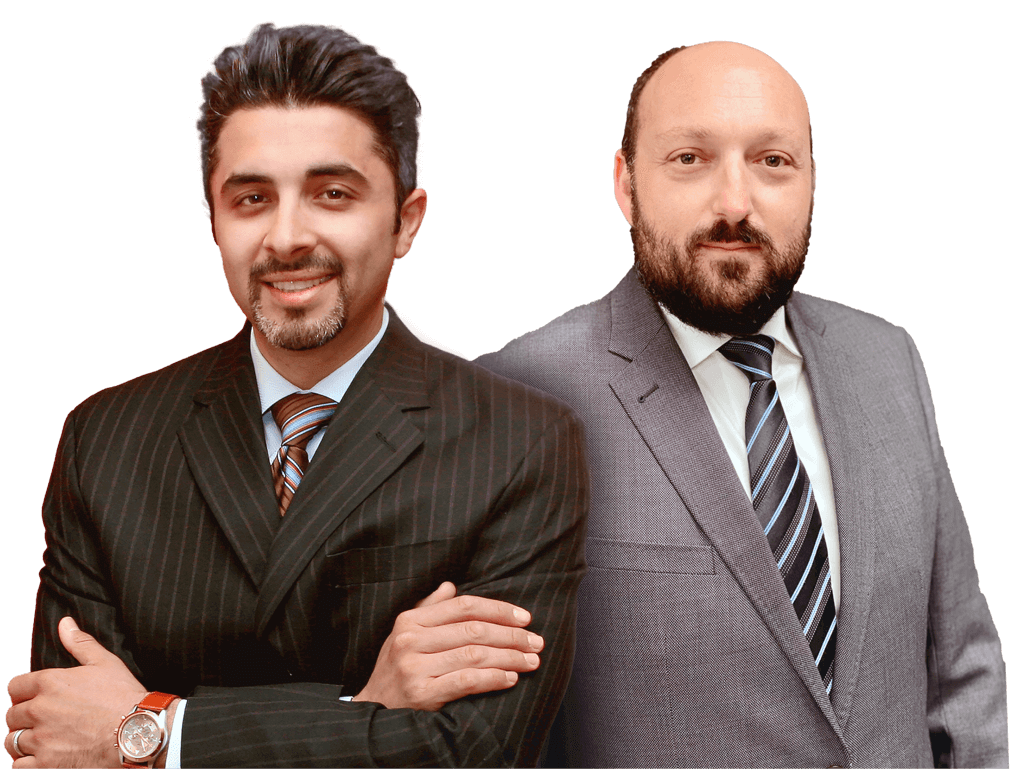
The firm’s personal injury practice is led by Alan D. Khalfin and Robert B. Vaksman. We handle bicycle cases on a contingency-fee basis: there is no upfront cost, and attorney’s fees are owed only if we recover compensation for you. To talk with a California bicycle accident lawyer, call 650-250-0705 or schedule a free consultation.
This page provides general information about California law and is not legal advice; reading it does not create an attorney-client relationship. Every case is different, and prior results do not guarantee a similar outcome.
Reviewed by Alan D. Khalfin, Partner and Managing Attorney, Vaksman Khalfin, PC (admitted in California). Last reviewed: 08/13/2026
California Bicycle Accident Frequently Asked Questions Frequently Asked Questions
Yes. Vehicle Code section 21200 provides that a person riding a bicycle on a highway has all the rights and is subject to all the provisions applicable to the driver of a vehicle, except those that by their nature cannot apply. Cyclists are entitled to use the roadway, and drivers owe them the same care they owe other drivers.
Since January 1, 2023, section 21760 requires a driver overtaking a cyclist in the same lane to change into another available lane before passing, where practicable and not prohibited by law. Where a lane change is not possible because of traffic or roadway conditions, the driver must leave at least three feet, slow to a reasonable and prudent speed, and may pass only when doing so would not endanger the cyclist.
No. Section 21212 requires a properly fitted and fastened helmet meeting ASTM or CPSC standards for riders and passengers under 18, on streets, bikeways, and public bicycle paths and trails. There is no adult bicycle helmet requirement in California, which differs from the motorcycle helmet law that applies to all ages.
An adjuster may raise it, but for an adult cyclist it is not a violation of any statute, so it cannot be treated as a breach of a legal duty. Helmet use also concerns the extent of the harm rather than who caused the collision. Whether it affects a recovery at all depends on the evidence about how the injuries occurred.
Not always. Section 21202 applies to cyclists travelling slower than the normal speed of traffic and contains express exceptions, including when passing, preparing to turn left, approaching a place where a right turn is authorized, and when reasonably necessary to avoid hazards such as parked or moving vehicles, surface hazards, or a lane too narrow to share safely. Section 21208 contains similar exceptions for bike lanes.
Responsibility may rest with the person who opened the door. Where the vehicle was a rideshare making a drop-off, the platform's insurance may also be involved depending on the trip status. Riding away from the door zone is one of the conditions section 21202 expressly permits a cyclist to move left to avoid.
A claim against the public agency responsible for the roadway or bikeway runs through California's Government Claims Act, which requires a written claim to the entity before any lawsuit and operates on a much shorter timeline than the general two-year period. Because conditions get repaired, documenting the location early matters.
Uninsured and underinsured motorist coverage on a household auto policy can apply to a cyclist struck by a motor vehicle, including in some hit-and-run situations, even though no car of yours was involved. It is worth checking the declarations page.
Most personal injury lawsuits must be filed within two years of the injury under Code of Civil Procedure section 335.1. If a public entity may share responsibility, a written claim generally must be presented to that entity first, on a much shorter timeline.
Vaksman Khalfin, PC handles bicycle cases on a contingency-fee basis: there is no upfront cost, and attorney's fees are owed only if we recover compensation for you. Initial consultations are free.