
A wrongful death claim is a civil case brought by certain family members after someone dies because of another party’s negligence or wrongful act. It exists because the person who was harmed can no longer bring a claim themselves, and because their death causes real losses to the people who depended on them.
This page explains who California law permits to bring such a claim, how a wrongful death claim differs from a survival action, the deadlines that apply, and what categories of compensation the law recognizes. If you would prefer to talk with someone rather than read further, our San Mateo office can be reached at 650-250-0705. There is no cost for an initial conversation.
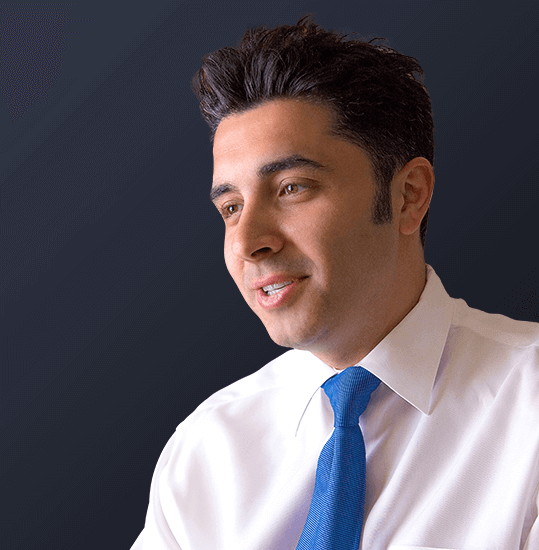
Robert B. Vaksman, Esq.
Founding Partner
“Some cases are easier than others, but this doesn’t matter at Vaksman Khalfin, because we have the resources to help our clients no matter what is at stake, especially if it’s hard."
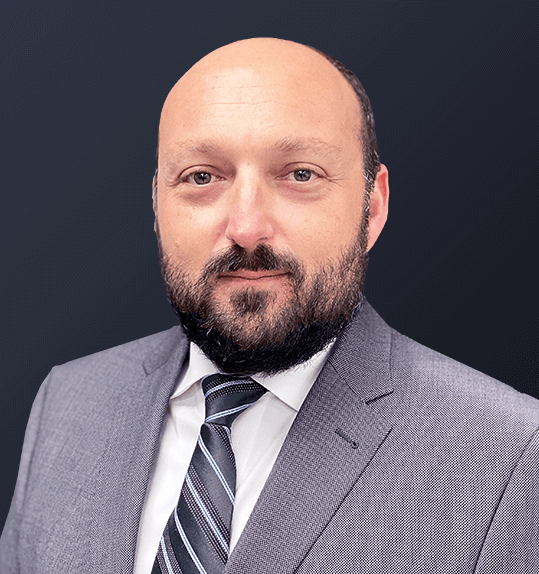
Alan D. Khalfin, Esq.
Partner & Managing Attorney
"People call me when they need to plan, but also when something terrible has happened and they need help. It is personal to my clients, so it is personal to me. We have to help: no matter what."
Who Can File a Wrongful Death Claim in California?
Under Code of Civil Procedure section 377.60, a wrongful death action may be brought by the decedent’s surviving spouse, domestic partner, children, and issue of deceased children — or, if there is no surviving issue, by those who would be entitled to the decedent’s property by intestate succession. Certain others may also qualify if they were dependent on the decedent, including a putative spouse, stepchildren, and parents. Most wrongful death lawsuits must be filed within two years.
Key Takeaways
- California limits who may bring a wrongful death claim, and the categories are set by statute rather than by family relationship generally.
- A wrongful death claim belongs to the surviving family members. A survival action is a separate claim belonging to the decedent’s estate.
- Most claims must be filed within two years, and a much shorter timeline applies where a public entity may be involved.
- There is no preset value for a wrongful death claim, and no attorney can responsibly quote one.
- These cases are handled on a contingency-fee basis, and the initial consultation is free.
Who California Law Permits to Bring a Claim
Section 377.60 sets out who may assert the claim, either directly or through the decedent’s personal representative on their behalf:
| Category | Who this covers |
|---|---|
| Primary claimants | The decedent’s surviving spouse, domestic partner, children, and the issue of deceased children |
| If there is no surviving issue | Those who would be entitled to the decedent’s property by intestate succession, including a surviving spouse or domestic partner |
| Where parents would be entitled but are deceased | The decedent’s legal guardians, if any, may bring the action as if they were the parents |
| Dependent claimants | Whether or not qualified above, those who were dependent on the decedent: a putative spouse, children of the putative spouse, stepchildren, parents, or legal guardians where the parents are deceased |
Two practical points follow. Standing is the first thing a defendant will test, so identifying the correct claimants at the outset matters. And because California treats a wrongful death claim as a single action, the family members entitled to bring it are generally expected to participate in one case rather than filing separately. Where relationships are complicated — a prior marriage, an estranged child, a long-term partner who was never registered — this is worth working through carefully and early.
Wrongful Death and Survival Actions Are Different Claims
| Wrongful death claim | Survival action | |
|---|---|---|
| Whose claim is it | The surviving family members listed in section 377.60 | The decedent’s estate |
| What it addresses | The losses the family sustains because of the death | Claims the decedent held before death |
| Who brings it | The eligible family members, or a personal representative on their behalf | The estate’s personal representative or successor in interest |
The two are often brought together arising from the same incident, and what may be recovered in each differs. California has amended the rules governing survival actions in recent years, so what is available in a particular case depends on the current statute and the timing involved. A lawyer can explain how the two claims fit together in a given situation.
Deadlines
| Situation | General rule | Source |
|---|---|---|
| Most wrongful death claims against a private party | Two years | Code Civ. Proc., § 335.1 |
| Claims involving a public entity | A written claim generally must be presented to the entity before any lawsuit, on a timeline much shorter than the general two-year period | California’s Government Claims Act |
| Claims involving a health care provider’s professional negligence | A different limitations period applies | Code Civ. Proc., § 340.5 |
Because the applicable deadline depends on who may be responsible, and because that is often unclear in the weeks after a death, it can be worth confirming early even if no decision has been made about whether to bring a claim.
What a Wrongful Death Claim Requires
In general terms, a claim requires showing that another party owed a duty to use reasonable care, failed to use it, that the failure was a substantial factor in causing the death, and that the surviving family members sustained losses as a result.
Whether the evidence supports those elements is a question to be worked out, not assumed. In many cases the cause is contested, more than one party may have had a role, and the investigation takes time. Records, physical evidence, and witness accounts tend to become harder to obtain as time passes, which is the practical reason these matters are usually looked at sooner rather than later.
What California Recognizes as Compensation
There is no preset value for a wrongful death claim, and any figure offered before the facts are known would not be meaningful. California recognizes economic and non-economic losses, and the categories that may be available include:
- Financial support the decedent would have provided to the family members
- The value of household services the decedent would have performed
- Funeral and burial expenses
- Loss of the decedent’s love, companionship, comfort, care, and moral support
- Loss of the decedent’s guidance, in claims by children
Different limits and rules can apply depending on the type of claim — for example, where a claim arises from a health care provider’s professional negligence, California places statutory limits on certain categories of damages. What applies in a particular case depends on the facts.
California also follows a pure comparative fault approach, so a finding that the decedent bore some share of responsibility reduces a recovery rather than barring it.
What the Process Involves
Most claims begin with an investigation and a claim to the responsible party’s insurer, and many resolve without a lawsuit being filed. Where a lawsuit is filed, the case moves through discovery — the exchange of records, written questions, and depositions — and may involve expert analysis of how the incident happened and of the family’s financial losses.
How long this takes varies considerably. Contested liability, multiple defendants, unresolved criminal proceedings, and the involvement of a public entity all extend it. A lawyer should be able to tell you what the realistic range looks like for your circumstances rather than a general figure.
Where minor children are among the claimants, court approval of any settlement affecting them is generally required, and the arrangements for holding a minor’s share are addressed as part of that.
Wrongful Death Claims in San Mateo and on the Peninsula
Our office at 15 North Ellsworth Avenue, Suite 105, San Mateo, CA 94401 works with families across the Peninsula. These claims arise from a range of circumstances, including motor vehicle collisions, commercial truck collisions, pedestrian and bicycle incidents, dangerous property conditions, and defective products.
Civil matters for this area are generally heard in the San Mateo County Superior Court. Where a city, the county, a transit agency, or a state agency may share responsibility, the Government Claims Act timeline applies and can close well before a family has finished dealing with the immediate aftermath.
Details about the office are on our San Mateo page, and related explanations are collected in our California personal injury guides.
How We Help
Vaksman Khalfin, PC can identify who is entitled to bring the claim, investigate how the death occurred, determine which parties and which insurance policies may be involved, work with the appropriate experts to document the family’s losses, and handle communications with the insurers so the family is not managing that alongside everything else. If a fair resolution is not offered, we are prepared to litigate.
The firm’s personal injury practice is led by Alan D. Khalfin and Robert B. Vaksman. These cases are handled on a contingency-fee basis: there is no upfront cost, and attorney’s fees are owed only if we recover compensation. To speak with a California wrongful death lawyer, call 650-250-0705 or schedule a consultation. Where a death followed a serious head injury, our page on brain injury claims may also be relevant.
This page provides general information about California law and is not legal advice; reading it does not create an attorney-client relationship. Every case is different, and prior results do not guarantee a similar outcome.
Reviewed by Alan D. Khalfin, Partner and Managing Attorney, Vaksman Khalfin, PC (admitted in California). Last reviewed: 08/14/2026
What You Can Expect
from Vaksman Khalfin Wrongful Death Attorneys

Free Consultation
We will assess the facts of your case, outline achievable outcomes, and chart a probable course of action without any financial obligation on your part. We are here for you and your family.

YOU ONLY PAY US IF WE REACH A SETTLEMENT
Your satisfaction is our number one priority. Our payment structure follows a "no win, no fee," policy which guarantees our fees are contingent on a successful outcome for your case.

EXCEPTIONAL ATTORNEYS AND CASE MANAGERS
A professional attorney with a case manager will ensure dedicated service and personalized attention. This loyal team is your consistent point of contact and personally handles all of your concerns.

MEDICAL PROVIDERS WILL NOT RECEIVE PAYMENT UNTIL YOUR CASE IS RESOLVED
We believe in a complete and fair resolution of your case before medical providers get paid. At Vaksman Khalfin your medical needs are our top priority. Our focus remains on achieving the best outcome for your case.
How it works
Complimentary consultation
We provide you with a complimentary consultation on your wrongful death case. If we're mutually interested to work with each other, you will sign an engagement agreement, after which we will get started. Remember, we don't get paid unless and until you get paid.

Working With a Team of Wrongful Death Attorneys
Our legal team will work with you to ensure that you receive the justice you deserve. We serve a pre-litigation demand package and negotiate with the defendant. If we don't get what we believe you are owed, we consider going to court.
We Will Fight For You
If pre-litigation efforts fail, in certain situations, we will continue fighting for you in court. This may take a while, but it will ensure that you get what you deserve. We have years of experience handling wrongful death cases in the State of California.
California Wrongful Death Frequently Asked Questions Frequently Asked Questions
Under Code of Civil Procedure section 377.60, the decedent's surviving spouse, domestic partner, children, and issue of deceased children may bring the claim. If there is no surviving issue, those entitled to the decedent's property by intestate succession may do so. Certain others may qualify if they were dependent on the decedent, including a putative spouse, children of the putative spouse, stepchildren, and parents.
Parents may qualify where there is no surviving spouse, domestic partner, or issue, because they would then be entitled to the decedent's property by intestate succession. Parents may also qualify if they were dependent on the decedent. Where the parents would be entitled but have died, the decedent's legal guardians may bring the action in their place.
Most claims must be filed within two years under Code of Civil Procedure section 335.1. If a public entity may share responsibility, a written claim generally must be presented to that entity first, on a much shorter timeline. Claims involving a health care provider's professional negligence follow a different period under section 340.5.
There is no preset amount, and no lawyer can responsibly quote one. What a claim is worth depends on the evidence: the circumstances of the death, the financial support and services the decedent provided, the relationships involved, the degree of fault attributed to each party, and the insurance actually available. An attorney can explain which categories of loss the law recognizes and how they are established.
A wrongful death claim belongs to the surviving family members and addresses the losses they sustain because of the death. A survival action belongs to the decedent's estate and concerns claims the decedent held before dying. The two are often brought together, and what may be recovered in each differs.
Typically the insurer for the party found responsible, within the limits of the applicable policies. Where more than one party may be responsible, more than one policy may be involved, which is one reason identifying every potentially responsible party matters.
It varies widely. Cases where liability is not contested and the insurance position is clear can resolve comparatively quickly. Contested liability, multiple defendants, a pending criminal case, or the involvement of a public entity all extend the timeline. A lawyer can give a realistic range once the circumstances are known.
The law does not require one. Families often involve a lawyer because standing, deadlines, and the identification of responsible parties are technical, and because dealing with insurers is difficult while grieving. An initial conversation carries no cost and no obligation.
A criminal case and a civil wrongful death claim are separate. A criminal prosecution does not compensate the family, and a civil claim can proceed regardless of whether charges are filed or what the outcome is, though timing is sometimes affected. The standards of proof differ.