
California
Personal Injury Lawyers$10M +
Recovered for Clients
1000 +
Injured Clients
3.5 ×
Higher compensation*

No Recovery.
No Fee.
Most injury claims are decided by things that happen in the first few weeks — what gets documented, which parties get identified, what is said to an adjuster — and those weeks usually pass before anyone thinks about calling a lawyer. The rules below apply across every kind of California injury claim, whatever the incident was.
This page explains the framework common to all of them: the deadlines, how fault is apportioned, what compensation the law recognizes, and how a claim actually proceeds. Each practice area page goes further into the rules specific to that situation. Our attorneys work from our San Mateo office. For a free consultation, call 650-250-0705.
Practice Areas
Car Accident
Accidents happen every day, but you shouldn’t suffer because of someone else’s negligence. If you’re injured, let us help you. Remember, we don’t get paid unless you do.

Brain Injury
The impact of a brain injury can be life-altering. Don’t bear the burden alone. Our specialized attorneys are here to fight for your rights and secure the compensation you deserve.
Wrongful Death
Losing a loved one due to someone’s negligence is utterly devastating. Vaksman Khalfin fights to ensure you receive justice and compensation to help ease your troubles during this difficult time.

Slip and Falls
When a slip and fall accident occurs due to negligence, our experienced attorneys are here to stand by your side. We’ll help you secure compensation for your medical bills, lost wages, and pain and suffering.

Defective Products
Have you suffered an injury due to a defective product? Our qualified lawyers are prepared to challenge big corporations and seek just compensation for your injuries.

Motorcycle Accidents
Motorcycle accidents can cause severe injuries with lasting impact. Let a dedicated personal injury lawyer in California fight for your rights and recover the settlement you’re entitled to.
Uber And Lyft Accidents
Involved in a rideshare accident and unsure of your next steps? Rest assured, our knowledgeable attorneys specialize in ridesharing laws and will fight to recover your deserved compensation.

Truck Accident
Truck accidents often result in damaging consequences. Our lawyers are committed to making negligent parties accountable and securing the highest compensation possible.
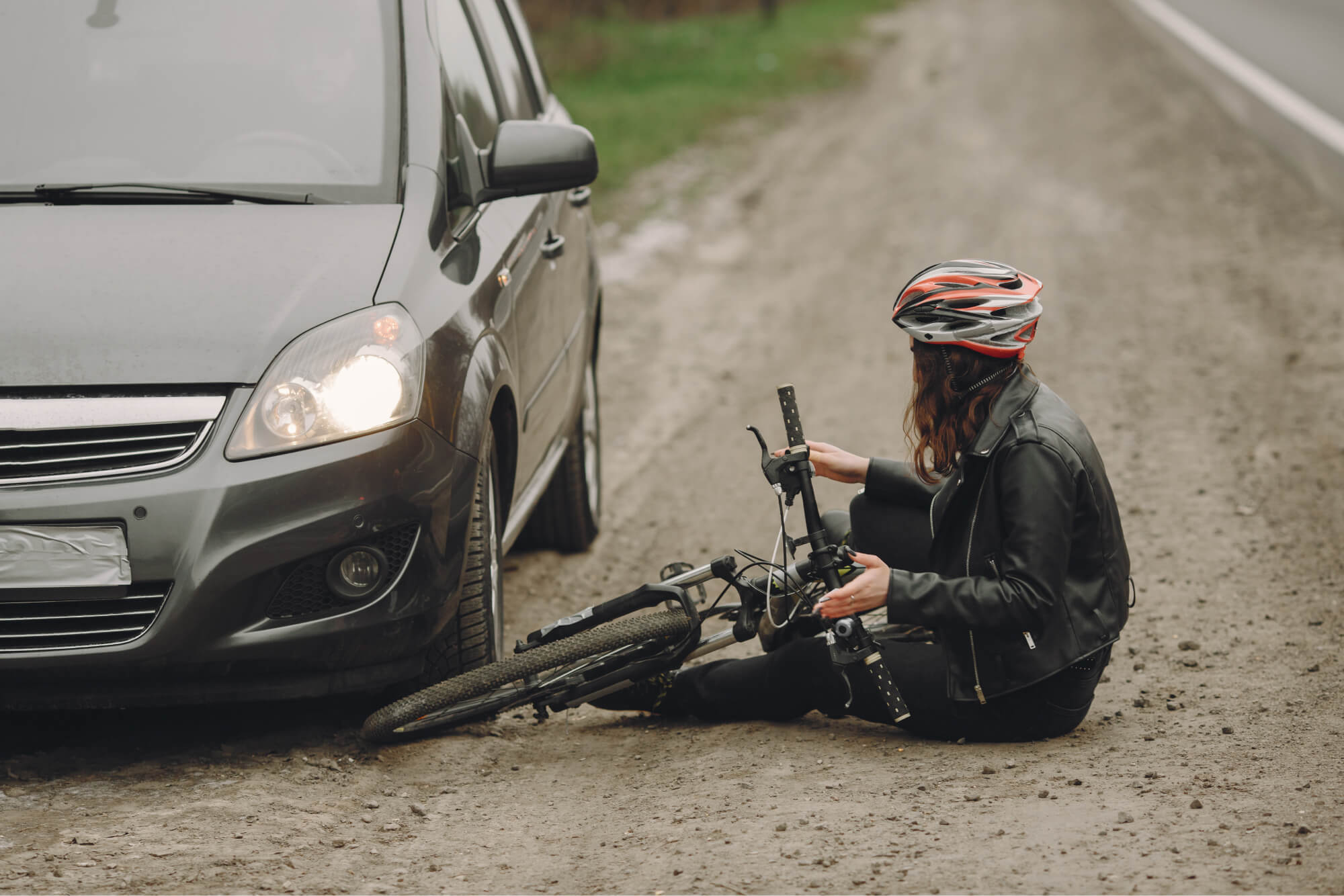
Bicycle Accident
Bicycling accidents can lead to complex legal issues. Our personal injury law firm in California will tirelessly advocate for your rights and make sure you receive the maximum compensation for your injuries and losses.

Pedestrian Accidents
Were you struck as a pedestrian and need legal help? At Vaksman Khalfin, we are unwavering in fighting for your rights and are committed to getting you the compensation you deserve.
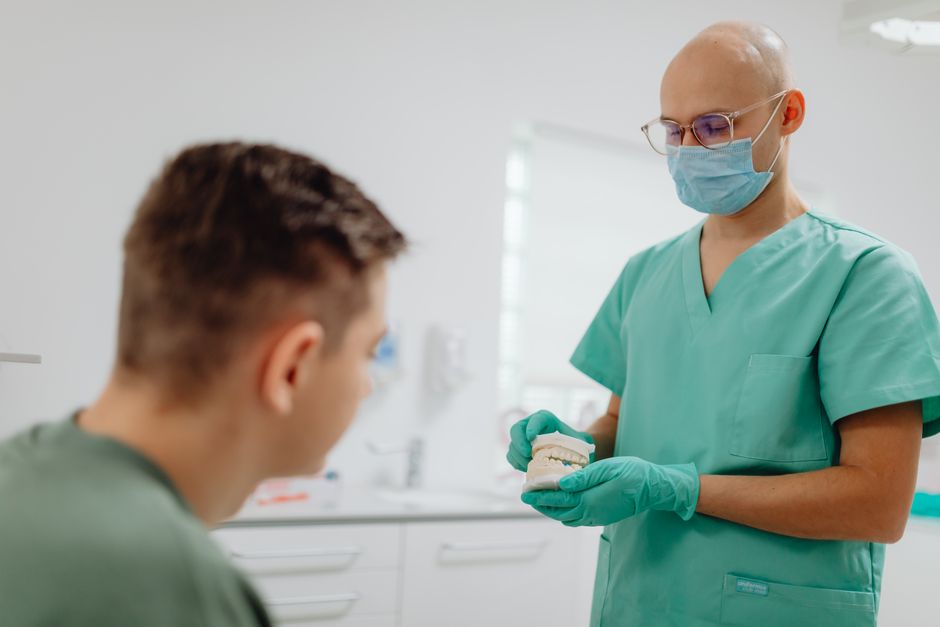
Dental Malpractice
When a dentist’s negligence causes harm, from lingual and inferior alveolar nerve injuries to failed implants and anesthesia errors, we help California patients recover.

Guides & Resources
A guide to our California personal injury practice by case type, from vehicle accidents to brain injury, defective products, and dental malpractice.
How Do California Personal Injury Claims Work?
Most California injury claims are negligence claims: the injured person shows that another party owed a duty of reasonable care, failed to use it, and that the failure was a substantial factor in causing documented harm. Most lawsuits must be filed within two years of the injury under Code of Civil Procedure section 335.1, with a much shorter timeline where a public entity may be responsible. California uses pure comparative fault, so a share of responsibility reduces a recovery rather than barring it, and most claims resolve through insurance without a lawsuit.
Key Takeaways
- Two years is the general filing deadline; claims involving a public entity run on a much shorter clock.
- Being partly at fault reduces a California recovery — it does not eliminate it.
- There is no preset value for any claim, and no attorney can responsibly quote one.
- The practical deadline for investigating is far earlier than the legal deadline for filing, because evidence degrades.
- Injury cases are handled on a contingency-fee basis, and consultations are free.
Which Practice Area Fits Your Situation?
| What happened | Where to start |
|---|---|
| A collision with another vehicle | Car accidents |
| A collision involving a semi, delivery truck, or other commercial vehicle | Truck accidents |
| You were riding a motorcycle | Motorcycle accidents |
| You were cycling | Bicycle accidents |
| You were on foot | Pedestrian accidents |
| An Uber or Lyft was involved, as passenger, driver, or third party | Rideshare accidents |
| You fell because of a condition on someone’s property | Slip and fall |
| A product failed and caused injury | Defective products |
| The injury affected cognition, memory, mood, or concentration | Brain injury |
| Dental treatment caused harm | Dental malpractice |
| Someone died because of another party’s conduct | Wrongful death |
The Deadlines
| Situation | General rule | Source |
|---|---|---|
| Most injury claims against a private party | Two years from the date of injury | Code Civ. Proc., § 335.1 |
| Claims where a public entity may be responsible — a city, county, transit agency, school district, or state agency | A written claim generally must be presented to the entity before any lawsuit, on a timeline much shorter than two years | California’s Government Claims Act |
| Claims based on a health care provider’s professional negligence | Three years from the injury or one year from discovery, whichever comes first, with statutory exceptions | Code Civ. Proc., § 340.5 |
| Uninsured or underinsured motorist claims | Governed by your own policy, which commonly imposes its own notice and filing requirements | Your policy |
The second row causes the most damage. Public entities appear in far more claims than people expect — a transit vehicle, a pothole, a badly designed intersection, a school bus, a city-maintained sidewalk — and the claim window can close while a family is still dealing with treatment. Whether a public entity may be involved is worth establishing early even if no decision has been made about bringing a claim.
The practical deadline is earlier still. Surveillance video is overwritten, commercial vehicle records are disposed of in the ordinary course of business, roadway conditions are repaired, and witnesses become unreachable — all long before two years have passed.
What a Negligence Claim Requires
In general terms, an injured person must be able to show:
- Duty — the other party owed a duty to use reasonable care
- Breach — they failed to use it
- Causation — that failure was a substantial factor in causing the injury
- Damages — the injury produced losses that can be documented
Causation is where most disputes concentrate, particularly where treatment began some time after the incident, where there was a prior injury to the same part of the body, or where more than one event could explain the harm. Some claims work differently: a defective product claim can proceed on strict liability, where the question is whether the product was defective rather than whether anyone was careless.
How Fault Is Apportioned
California follows a pure comparative fault approach. Someone found partly responsible is not barred from recovering; the recovery is reduced by that share of responsibility. There is no threshold at which a claim disappears.
Because this is the most common defence strategy across every practice area, a large part of the work in any claim is investigating and documenting how the incident actually happened, rather than accepting the version an adjuster proposes.
What California Recognizes as Compensation
There is no preset value for any injury claim, and no attorney can responsibly quote a figure. What a claim is worth depends on the evidence: the nature and permanence of the injury, the documented care, the effect on work and daily life, the fault attributed to each party, and the insurance actually available.
The categories California recognizes include:
- Past and future medical expenses, including rehabilitation and ongoing treatment
- Lost income and reduced future earning capacity
- Property damage and related costs
- Pain, suffering, and loss of enjoyment of life
- Loss of consortium, in claims brought by a spouse
Different rules can apply to particular claim types — for example, claims arising from a health care provider’s professional negligence are subject to statutory limits on certain categories of damages.
How a Claim Actually Proceeds
- Investigation. Establishing how the incident happened, who may be responsible, and what insurance exists. Preservation demands go out where evidence is held by someone else.
- Treatment and documentation. The claim cannot be valued sensibly until the medical picture is reasonably clear, which is the main reason cases take longer than people expect.
- The claim to the insurer. A demand setting out liability, the injuries, and the losses.
- Negotiation. Most claims resolve here, without a lawsuit.
- Filing suit. Where a fair resolution is not offered, or where the deadline requires it.
- Discovery. Records, written questions, depositions, and expert analysis.
- Resolution. By settlement, which remains possible at any stage, by mediation, or at trial.
Filing a lawsuit does not end settlement discussions. Many cases continue negotiating afterward and resolve well before trial.
Dealing With Insurers
An adjuster usually makes contact quickly, often before the extent of an injury is known. A few things are worth understanding about that.
The adjuster for the other party represents that party’s insurer, not you. A recorded statement is not required by law, and what is said in one can later be used to argue an injury was minor or unrelated. An early settlement offer resolves the claim in full, including future care and lost income that have not yet been quantified. And a request for blanket authorization to your complete medical history is broader than a claim requires.
None of that means an insurer is behaving improperly. It means the interests are not aligned, and it helps to know that going in.
Personal Injury Claims in San Mateo and on the Peninsula
Our office at 15 North Ellsworth Avenue, Suite 105, San Mateo, CA 94401 serves injured people across the Peninsula. Claims here arise on US-101 and I-280, along El Camino Real and the surface streets feeding the Caltrain corridor, at intersections shared with cyclists and pedestrians, on commercial and residential property, and around San Francisco International Airport, which sits within this county and generates unusually heavy commercial and rideshare traffic.
Civil matters for this area are generally heard in the San Mateo County Superior Court. Where a city, the county, SamTrans, Caltrain, or a state agency may share responsibility, the Government Claims Act timeline applies rather than the two-year period.
Details about the office are on our San Mateo page, and plain-English explanations are collected in our California personal injury guides.
How We Help
Vaksman Khalfin, PC investigates how an incident happened, identifies every party who may be responsible and every policy that may apply — including your own uninsured and underinsured motorist coverage — sends preservation demands before evidence is lost, works with treating providers and appropriate experts to document the injury and its effects, calculates the long-term financial impact rather than settling against bills to date, and handles the insurers directly. Where a public entity may be involved, we assess whether a claim must be presented within that shorter window. If a fair resolution is not offered, we are prepared to litigate.
The practice is led by Alan D. Khalfin and Robert B. Vaksman. We handle injury cases on a contingency-fee basis: there is no upfront cost, and attorney’s fees are owed only if we recover compensation for you. To talk with a California personal injury lawyer, call 650-250-0705 or schedule a free consultation.
This page provides general information about California law and is not legal advice; reading it does not create an attorney-client relationship. Every case is different, and prior results do not guarantee a similar outcome.
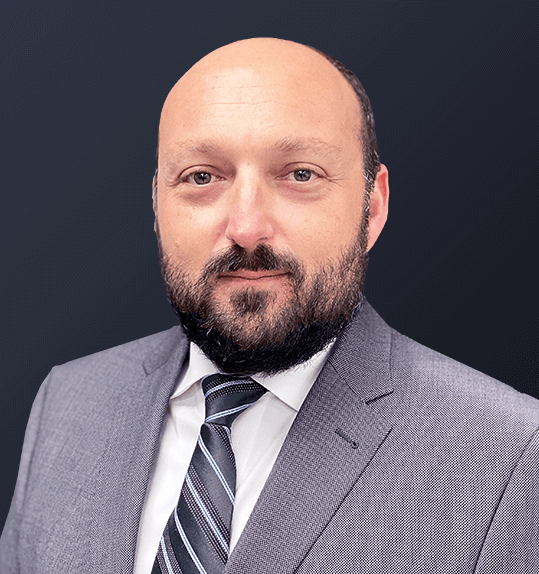
Robert B. Vaksman, Esq.
Founding Partner
“Some cases are easier than others, but this doesn’t matter at Vaksman Khalfin, because we have the resources to help our clients no matter what is at stake, especially if it’s hard."
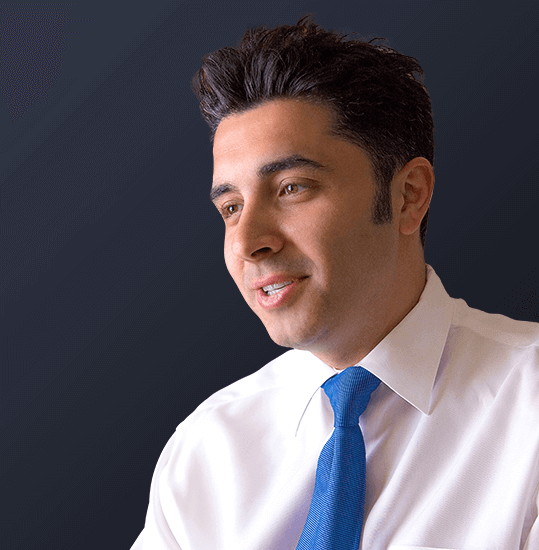
Alan D. Khalfin, Esq.
Partner & Managing Attorney
"People call me when they need to plan, but also when something terrible has happened and they need help. It is personal to my clients, so it is personal to me. We have to help: no matter what."
What You Can Expect
from Vaksman Khalfin Personal Injury Attorneys

Free Consultations for Prospective Clients
At Vaksman Khalfin, PC we value transparency and offer a free initial consultation. We will assess the facts of your case, outline achievable outcomes, and chart a probable course of action without any financial obligation on your part. We are here for you and your family.

You Only Pay Us if We Reach a Settlement
Your satisfaction is our number one priority. Our payment structure follows a "no win, no fee," policy. Our policy guarantees our fees are contingent on a successful outcome for your case.

Exceptional Attorneys and Case Managers
A professional attorney with a case manager will be assigned to your case to ensure dedicated service and personalized attention. This loyal team is your consistent point of contact and handles all of your concerns personally.

Medical Providers Will Not Receive Payment Until Your Case Is Resolved
We believe in a complete and fair resolution of your case before medical providers get paid. At Vaksman Khalfin, PC your medical needs are our top priority. Our focus remains on achieving the best outcome for your case.
What Our Clients Say



"I retained Vaksman Khalfin after my car accident. Right away, I knew I was in good hands because communication was clear and fast! They went above and beyond by negotiating my bills, and I ultimately got more than I expected. Thank you!"

"After being in a major accident, I didn’t know what to do. I never had to hire a lawyer, and was nervous about the process. Fortunately, I found Vaksman Khalfin who helped coordinate my medical care and finalize a very fair settlement. Everyone at their law firm was kind, caring and patient with all of my questions."
How it works
We will fight for your rights.
Complimentary consultation
We provide you with a complimentary consultation related to your legal matter. If we are mutually interested in working together, you will sign an engagement agreement, after which we will get started on developing your case strategy. Remember, we don't get paid unless and until you get paid.

Working With a Team of Personal Injury Attorneys
Our legal team will work with you and your medical providers to ensure that you receive the best medical treatment available. Afterward, we serve a pre-litigation demand package and negotiate with the defendant. If we don't get what we believe you are owed, we consider going to court.
We Will Fight For You
If pre-litigation efforts fail, in certain situations, we will continue fighting for you in court. This may take a while, but it will ensure that you get what you deserve. We have years of experience handling civil lawsuits in the State of California.

California Personal Injury Frequently Asked Questions Frequently Asked Questions
Most lawsuits must be filed within two years of the injury under Code of Civil Procedure section 335.1. Where a public entity may share responsibility, a written claim generally must be presented to that entity first, on a much shorter timeline. Claims based on a health care provider's professional negligence follow a different period under section 340.5.
California uses pure comparative fault. Being partly responsible reduces a recovery by that share of fault rather than barring the claim, and there is no threshold at which a claim disappears entirely.
There is no preset amount, and no lawyer can responsibly quote one. Value depends on the nature and permanence of the injury, the documented medical care, the effect on work and daily life, the fault attributed to each party, and the insurance actually available. An attorney can explain which categories of loss apply and how they are established.
Usually not. Most claims resolve through negotiation with an insurer without a lawsuit being filed, and many that are filed settle before trial. Filing suit does not stop settlement discussions.
You are not required by law to give one. The adjuster represents the other party's insurer, and statements given before the extent of an injury is known can later be used to argue the injury was minor or unrelated. It is reasonable to speak with a lawyer first.
Delayed or worsening symptoms are common and do not automatically defeat a claim. A gap in the record can invite an argument from the insurer that the injury is unrelated, which is why records created close in time to the incident tend to carry weight.
A different process applies. Under California's Government Claims Act, a written claim generally must be presented to the responsible public entity before any lawsuit, on a timeline much shorter than the general two-year period. Identifying which entity is responsible can itself take time, so these situations call for prompt attention.
It varies widely. Straightforward claims where liability is clear can resolve in months. Contested liability, multiple defendants, serious injuries whose long-term picture is still developing, and public entity involvement all extend the timeline. A claim generally should not be valued until the medical picture is reasonably clear.
Not necessarily. Where injuries are minor, liability is undisputed, and the insurer is handling the claim reasonably, many people resolve matters themselves. It is worth a conversation where injuries required more than brief treatment, where fault is contested, where several parties or a commercial vehicle were involved, or where a public entity may have a role.
Vaksman Khalfin, PC handles injury cases on a contingency-fee basis: there is no upfront cost, and attorney's fees are owed only if we recover compensation for you. Initial consultations are free. Reviewed by Alan D. Khalfin, Partner and Managing Attorney, Vaksman Khalfin, PC (admitted in California). Last reviewed: 08/12/2026
SUBMIT YOUR CONTACT DETAILS 100% Free Consultation, Always. Free Consultation.